5 Signs Your Home’s Exterior Paint Is Failing
Exterior paint does far more than give your home a finished look. It acts as a protective barrier against weather, moisture, and everyday exposure that can slowly wear down exterior surfaces. When that protection starts to break down, the earliest clues often show up in subtle but visible ways. Many homeowners notice something looks “off” long before they realize the paint itself is failing.
Understanding the signs your exterior paint is failing can help you spot problems before they turn into more serious issues. Peeling edges, fading color, or unusual surface changes are rarely random. They usually reflect age, sun exposure, moisture stress, or gradual loss of adhesion over time. While some symptoms begin as cosmetic concerns, others can signal that underlying materials are becoming exposed.
Homeowners tend to notice these warning signs in stages. A small change along trim or siding can seem easy to ignore at first, especially if the rest of the home still looks intact. But exterior paint rarely fails all at once. The breakdown typically starts in vulnerable areas and spreads outward.
By learning what these early signs look like and why they develop, you can better understand what your home is telling you and why paint issues tend to appear when they do.
Why Exterior Paint Failure Happens Over Time
Exterior paint is designed to be durable, but it is not permanent. From the moment it’s applied, it begins reacting to the environment around it. Sun exposure, temperature changes, wind, and moisture all contribute to gradual wear, even when quality products and proper techniques are used.
Over time, several environmental factors work together to break paint down:
- constant UV exposure that weakens paint binders and reduces flexibility
- daily expansion and contraction of siding and trim that creates stress in aging coatings
- wind and airborne debris that slowly erode the paint surface
- repeated moisture exposure that can work beneath thinning or failing paint films
Because this process happens gradually, paint failure rarely starts as obvious damage. In many cases, the coating is slowly losing adhesion, thickness, or elasticity years before peeling or cracking becomes visible.
Beyond appearance, exterior paint serves a protective role. It helps seal out moisture, shields surfaces from sun damage, and reduces wear on wood, siding, and trim. As that protective layer weakens, the home’s exterior becomes more vulnerable, even when the changes seem minor at first glance.
The 5 Most Common Signs Your Exterior Paint Is Breaking Down
When exterior paint begins to fail, the earliest clues usually show up visually. Homeowners often notice small changes first, especially in areas that receive the most sun, weather exposure, or surface movement. These visible symptoms are the most reliable indicators that the paint system is starting to wear out.
Some of these exterior paint failure signs begin as cosmetic issues. Fading color, light chalking, or minor texture changes may not seem urgent on their own. However, they often signal that the paint is thinning or losing its protective properties.
Other symptoms point to deeper problems. Peeling, cracking, or bubbling usually indicate that adhesion has been compromised or that moisture is getting where it shouldn’t. When these signs appear, the paint is no longer functioning as an effective barrier.
It’s also common for these warning signs to show up unevenly. South- and west-facing walls, exposed trim, and horizontal surfaces tend to deteriorate faster than shaded or protected areas. This uneven breakdown can make paint failure harder to spot unless you know what to look for.
Recognizing these symptoms early helps homeowners understand whether a simple repaint may be enough or if surface preparation and repairs may be needed. The following issues are the most common problems seen around siding, trim, and other exterior surfaces when paint begins to break down.
1. Peeling Paint and Flaking Areas
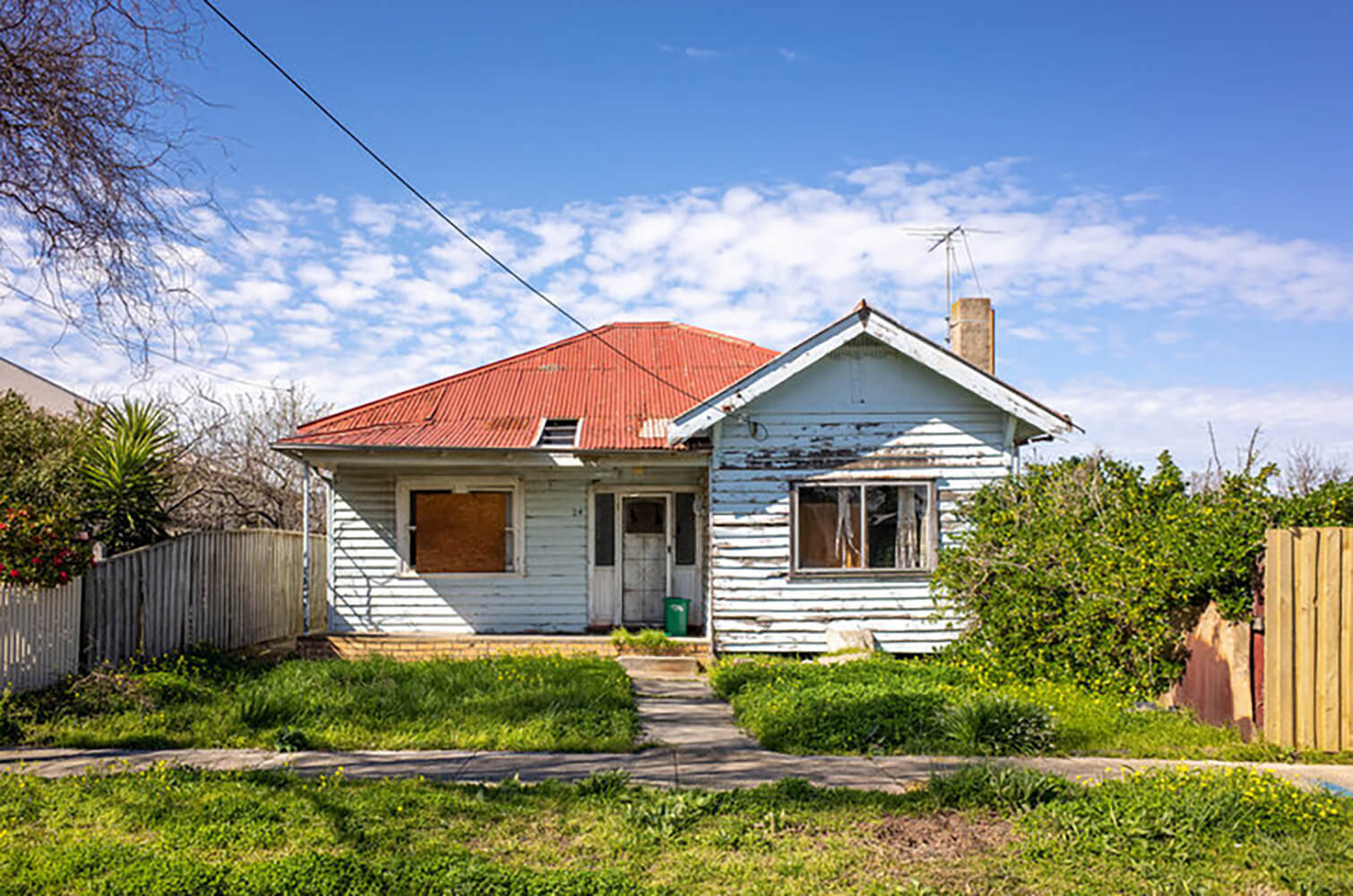
Peeling and flaking are among the most noticeable signs that exterior paint is no longer adhering properly. This often shows up as curling edges, lifting sheets of paint, or small chips breaking away from siding and trim.
In many cases, peeling exterior paint causes trace back to aging layers beneath the surface. As paint loses flexibility and adhesion, it can no longer stay bonded during normal expansion and contraction. Moisture intrusion, improper prep from past paint jobs, or simply age can all contribute.
Once paint begins to peel, the underlying surface is left exposed. Bare wood, fiber cement, or trim materials can absorb moisture quickly, accelerating deterioration. Even small peeling areas tend to spread if left unaddressed, especially in high-exposure zones.
2. Cracking, Checking, and Splitting Paint Films
Cracking paint often appears as thin, hairline fractures that form across the surface. Checking refers to a network of shallow cracks, while splitting involves deeper breaks that can cut through multiple paint layers.
These patterns usually develop as paint loses its ability to flex. Temperature swings cause siding and trim to move slightly, and older paint films can’t keep up. Over time, repeated movement creates stress fractures in the coating.
When cracking becomes more pronounced, it’s a clear sign the paint is no longer performing as intended. These breaks allow moisture and air to reach the surface underneath, which can lead to faster deterioration and eventual peeling.
3. Bubbling or Blistering on Exterior Surfaces
Bubbling paint appears as raised blisters or domed areas beneath the surface. This typically happens when moisture or heat becomes trapped under the paint film.
Blistering often indicates that the coating is separating from the surface below. Moisture may enter through small gaps, seams, or unsealed edges, then expand when heated by the sun. As pressure builds, the paint lifts away.
This symptom usually means the paint system is failing rather than just aging. Once bubbles form, the affected areas are prone to cracking and peeling, making timely attention important.
4. Fading, Chalking, and Uneven Color Changes
Fading is a gradual but common symptom of exterior paint breakdown. Prolonged sun exposure weakens pigments, causing colors to lose vibrancy and appear washed out or uneven.
Chalking shows up as a fine, powdery residue on the surface. It’s the result of binders breaking down and releasing pigment particles over time. While light chalking is expected as paint ages, heavy chalking signals significant wear.
Uneven color changes often point to inconsistent protection so it helps to choose exterior paint finishes that stand up to local conditions. Areas exposed to more sunlight or weather tend to degrade faster, revealing that the paint is no longer providing uniform coverage or durability.
5. Staining, Dark Spots, or Moisture-Related Symptoms
Stains or dark spots commonly appear near seams, joints, trim edges, or shaded areas. These marks may look like discoloration, streaking, or blotchy patches on the surface.
Such failing house paint symptoms often suggest moisture exposure. Water that penetrates behind paint can carry tannins, dirt, or organic growth back to the surface, leaving visible marks.
Moisture-related symptoms deserve closer attention because they may indicate ongoing exposure beneath the paint. Left unchecked, these conditions can lead to substrate damage that goes beyond cosmetic concerns.
Wrap-Up: Recognizing Paint Failure Early Helps Protect Your Home
Exterior paint rarely fails overnight. In most cases, the warning signs appear gradually, giving homeowners time to notice changes and respond before more serious damage occurs. Peeling edges, cracking films, bubbling areas, fading color, and moisture-related staining are often early indicators that the paint is no longer providing full protection.
Recognizing these symptoms early can make a meaningful difference. When paint breakdown is addressed promptly, it’s often possible to resolve issues with proper preparation and repainting before underlying materials are affected. When warning signs are ignored, exposure to moisture and sun can accelerate wear on siding, trim, and other exterior components.
Keeping an eye on these changes also helps homeowners plan proactively. Instead of being caught off guard by widespread failure, you can better anticipate when maintenance or repainting may be needed and understand why certain areas deteriorate faster than others.
Exterior paint is more than a decorative finish. It plays a critical role in shielding your home from the elements and preserving the condition of exterior surfaces. Knowing what to watch for allows you to protect that system and make informed decisions about care and upkeep.
If you’re noticing any of these warning signs around your home, it may be time to schedule a professional exterior evaluation. A trained eye can help determine whether the paint is simply aging or if deeper surface issues need to be addressed next.
If you’re starting to notice peeling, fading, or other warning signs, we’re here to help. At Texas Star Painting of Austin, we provide professional exterior painting services that protect your home and restore its appearance. We take the time to evaluate surface conditions, address underlying issues, and apply coatings designed to hold up to Texas weather. If you’re unsure what your home needs next, reach out to us, and we can walk you through your options and help you plan the right solution.