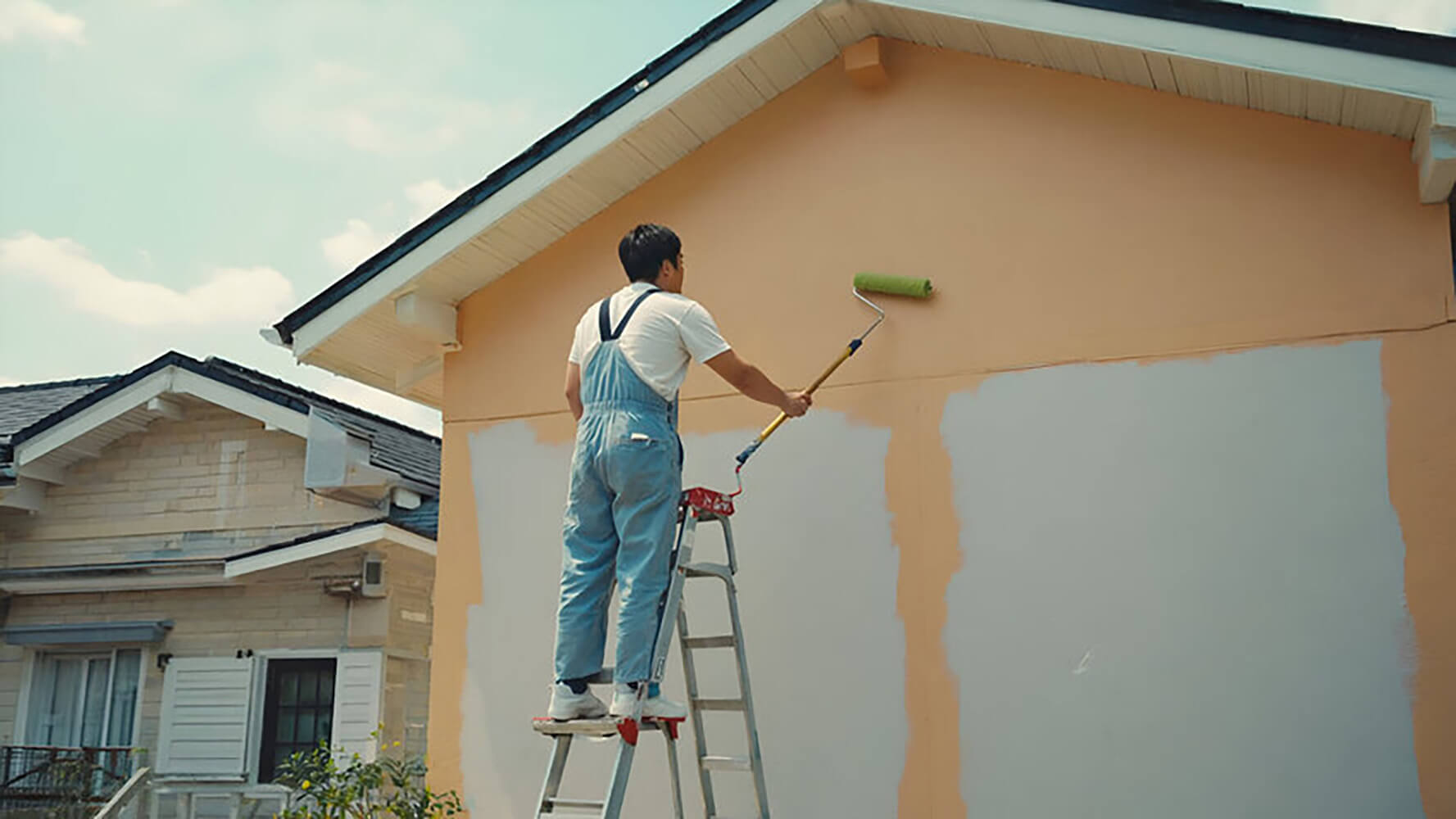
Is Cabinet Painting Worth It for Older Kitchens?
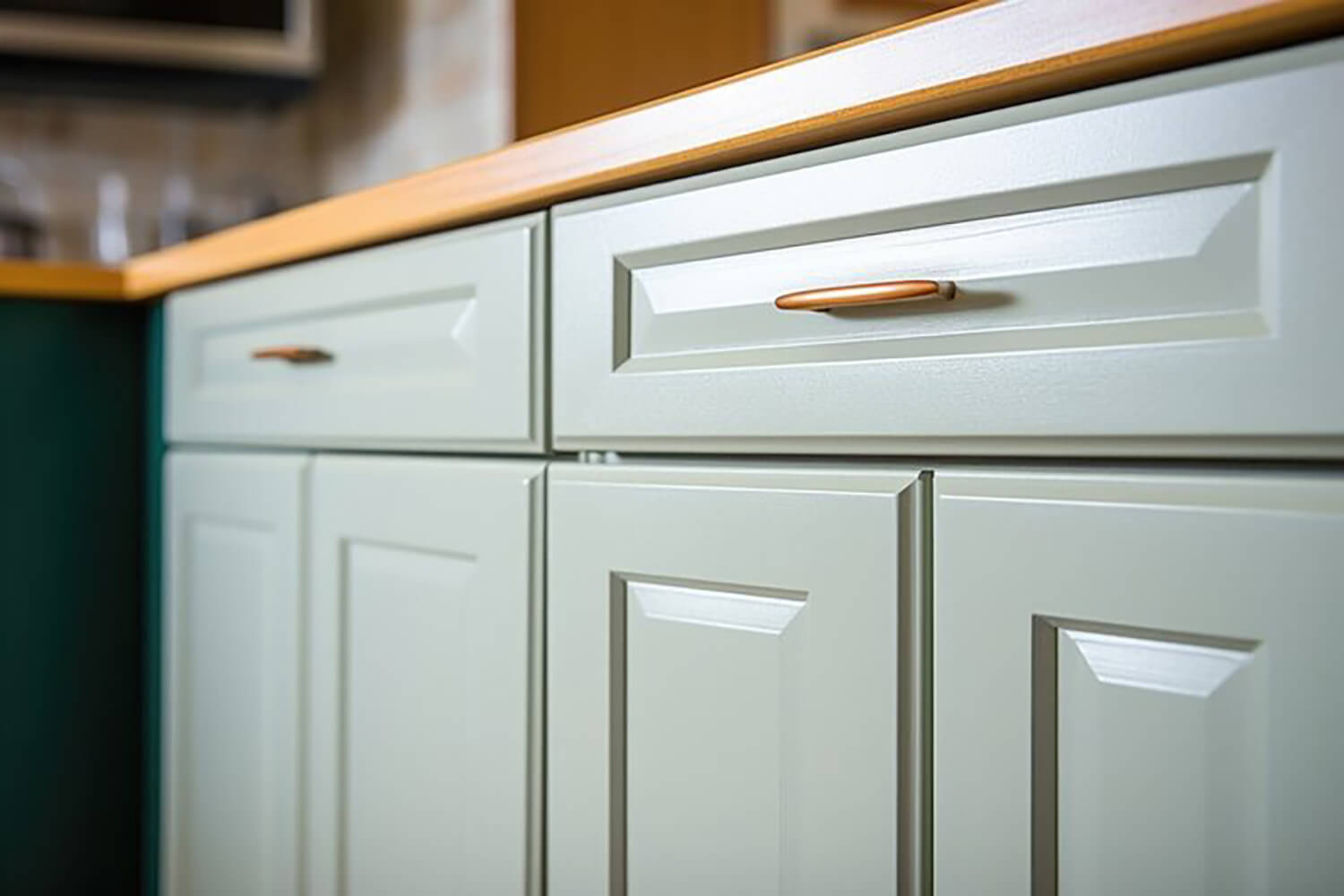
One of the most common questions homeowners ask when looking at dated cabinetry is simple: is cabinet painting worth it?
Older kitchens often have solid construction but outdated finishes. Honey oak, dark cherry, or worn white cabinets can make the entire space feel stuck in another decade, even if everything still functions well. That’s when the debate begins. Should you replace the cabinets entirely, or can painting deliver the refresh you’re hoping for?
The answer depends less on trends and more on condition and expectations. Cabinet painting can dramatically improve the look of a kitchen, but it isn’t the right solution for every layout or every cabinet type. Structural integrity, wear, and long-term goals all matter.
In this post, we’ll walk through when painting is a smart choice, when it may fall short, and what kind of results you can realistically expect. The first step is determining whether your existing cabinets are even good candidates for paint in the first place.
When Cabinet Painting Is a Good Option for Older Kitchens
Cabinet painting makes the most sense when your existing cabinets are still structurally sound.
That means the cabinet boxes hold strong, the doors close properly, and the frames resist warping, water damage, or separation from the walls. When the structure remains solid, professionals can usually refresh the surface successfully.
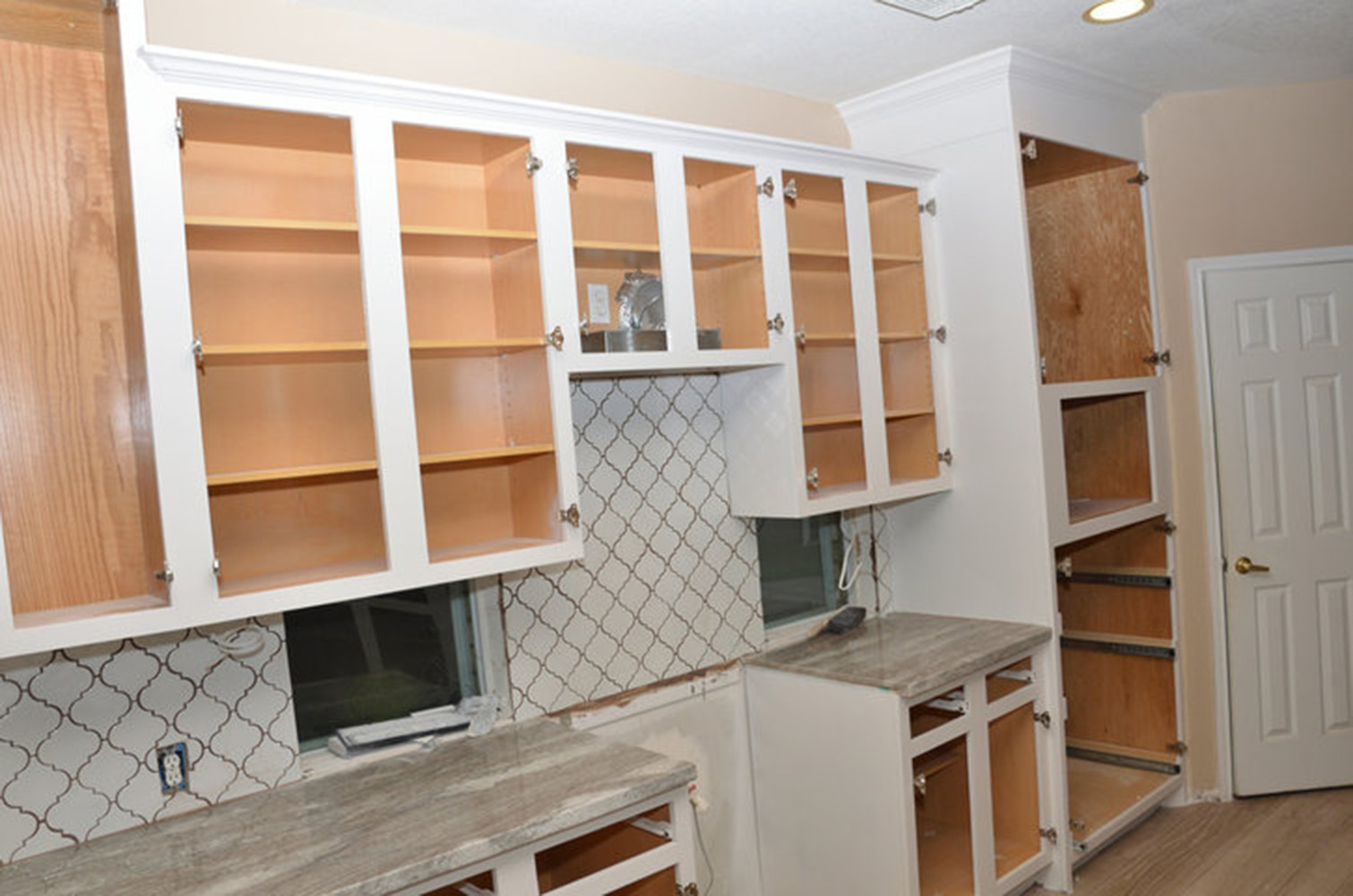
Painting is often chosen by homeowners who want an updated look without tearing apart the entire kitchen. Full cabinet replacement involves demolition, potential countertop removal, plumbing adjustments, and weeks of disruption. Painting, by comparison, works within the kitchen’s existing structure.
Older kitchens that function well but feel visually outdated are often ideal candidates. For example:
- Oak cabinets with an orange or yellow tone that dominate the room
- Dark stained cabinets that make the kitchen feel smaller
- Faded white cabinets that look worn but are still sturdy
- Solid wood cabinetry with dated finishes but strong construction
In these situations, the layout still works. Storage is adequate. Doors and drawers operate properly. The issue is mostly aesthetic.
Painting allows you to modernize the space without changing how it functions. Updated colors, new hardware, and a professional finish can significantly shift the overall feel of the room.
It’s also important to understand what types of cabinets respond best to paint. Solid wood cabinets tend to perform very well when properly prepped and primed. MDF and laminate can also be painted successfully, but they require specialized preparation to ensure proper adhesion.
In short, painting is a strong option when the kitchen works — it just doesn’t look the way you want it to anymore.
The Biggest Benefits of Painting Instead of Replacing
One of the biggest advantages of painting is the visual transformation it creates without removing your existing cabinets.
Color alone can completely change how a kitchen feels. Shifting from dark stain to a light neutral can make the space feel brighter and more open. Updating orange-toned oak to a modern white, soft gray, or muted green can quickly move the kitchen out of the past and into a more current look.
Because the cabinet structure stays in place, the focus is entirely on the finish rather than rebuilding the room.
Another benefit is reduced disruption. Replacing cabinets often requires removing countertops, disconnecting plumbing and appliances, repairing drywall, and coordinating multiple trades. It can leave a kitchen partially unusable for weeks.
Painting avoids most of that. The layout stays intact, and professionals remove the doors and drawers for refinishing while keeping the main cabinet boxes in place.
Cost is another major factor. Painting is typically far less expensive than buying and installing new cabinetry. Replacement costs include materials, labor, disposal, and potential updates to surrounding surfaces. Painting concentrates on surface restoration instead of structural changes.
There is also an environmental advantage. Keeping solid cabinets in place reduces waste and extends the life of materials that are still functional.
For older kitchens that work well but look dated, painting can deliver meaningful improvement without the timeline, expense, or complexity of a full remodel.
When Cabinet Painting Usually Isn’t Worth It
There are situations where painting simply will not deliver the outcome homeowners expect.
When cabinets are structurally compromised, refinishing only masks the deeper problem instead of solving it. Boxes that are sagging, frames that are separating from the wall, or doors that no longer align properly signal underlying wear. In these cases, the issue is not the finish. It is the construction.
Water damage is another red flag. Swollen particle board, soft spots near sinks, or bubbling laminate surfaces typically do not respond well to paint. Even with proper preparation, those materials may continue to deteriorate underneath the new coating.
Quality also matters. Some older kitchens were built with thin materials and low-grade hardware that were never designed to last decades. If drawers constantly stick, shelves bow under weight, or hinges fail repeatedly, repainting will not solve those frustrations.
Layout limitations are another factor. If the kitchen feels cramped, lacks storage, or has an inefficient workflow, painting will not address those functional shortcomings. Homeowners who want to reconfigure cabinet placement, add an island, or improve storage solutions may find that replacement makes more sense.
It is also important to consider expectations. Painted cabinets can look beautiful when done correctly, but they do not turn entry-level cabinetry into high-end custom millwork. If the goal is a dramatic structural upgrade rather than a visual refresh, reviewing a cabinet painting vs replacement comparison can help clarify whether refinishing will truly meet your expectations.
In short, cabinet refinishing worth it depends heavily on what problem you are trying to solve. If the concern is appearance, painting can work well. If the concern is construction, storage, or layout, a deeper renovation may be the better investment.
What Results Can You Expect From Painted Cabinets Over Time?
Painted cabinets can hold up very well in an older kitchen, but durability depends heavily on preparation quality and daily use.
Professional preparation is the foundation. When professionals thoroughly clean, sand, prime, and apply durable coatings, cabinets perform significantly better than rushed or DIY attempts.
Over time, here’s what homeowners can realistically expect:
- A smooth, uniform finish that modernizes the overall look of the kitchen
- Strong adhesion when proper primers and cabinet-grade coatings are used
- Minor wear in high-touch areas such as around handles and drawer pulls
- Occasional small chips or scuffs, especially in busy family kitchens
- The need for light touch-ups after several years of regular use
Kitchen cabinets experience constant contact. Oils from hands, cooking residue, moisture, and repeated opening and closing all create friction on the surface.
Even high-quality finishes are still paint. They are durable, but they are not indestructible.
The good news is that painted cabinets are repairable. Small chips or worn corners can often be touched up without refinishing the entire kitchen. This makes long-term maintenance more manageable compared to stained finishes that may require full sanding and reapplication.
Longevity also depends on how the kitchen is used. A lightly used kitchen in a smaller household may see painted cabinets look excellent for many years. A high-traffic kitchen with children and frequent cooking may show wear sooner.
Setting realistic expectations is key. Painted cabinets can absolutely transform and elevate an older kitchen, but homeowners should view them as a durable finish upgrade rather than a permanent, maintenance-free surface.
Wrapping Up: How to Know If Cabinet Painting Is Worth It for Your Kitchen
At the end of the day, the answer to is cabinet painting worth it comes down to one main factor: condition.
If your cabinet boxes are solid, doors operate properly, and the layout still works for your household, painting can be a smart and practical investment. It refreshes the appearance of the space without requiring demolition or a full renovation.
For many older kitchens, the issue is not structure. It is style. Dated stain colors, worn finishes, or yellowed surfaces can make the entire room feel older than it actually is. In those cases, painting offers a meaningful upgrade that aligns with modern design preferences while preserving what already works.
However, if cabinets are failing, poorly built, or no longer meet your storage and layout needs, painting may only delay a larger project. Cosmetic improvements cannot correct structural or functional limitations.
The most helpful way to approach the decision is to separate appearance from performance. If performance is strong and appearance is the concern, painting is often ideal. If performance is compromised, replacement deserves serious consideration.
If you are thinking about updating your kitchen, our team at Texas Star Painting of Austin can help you determine whether cabinet painting is the right fit for your space. We take the time to evaluate your cabinet condition, explain the preparation process, and outline the results you can expect. Contact us today to schedule a cabinet painting consultation and see how we can refresh your older kitchen with a professional, lasting finish.