Interior Painting vs Full Renovation: When Paint Is Enough
Most homeowners have stood in a room that felt wrong without being able to explain why. The colors are off, the trim looks tired, the whole space feels like it belongs to a different version of the house. The instinct is to either grab a paint brush or start knocking things down.
That instinct points to a real question, and it is usually the right one to ask: is what bothers you about the room cosmetic, or is something structurally wrong with the space?
When it comes to interior painting versus a full renovation, most rooms in well-maintained homes are stronger candidates for paint than homeowners expect. This post covers three things: when paint alone is genuinely enough, when renovation is the right call, and when the two belong in sequence rather than treated as opposites.
When Painting Alone Makes the Most Sense
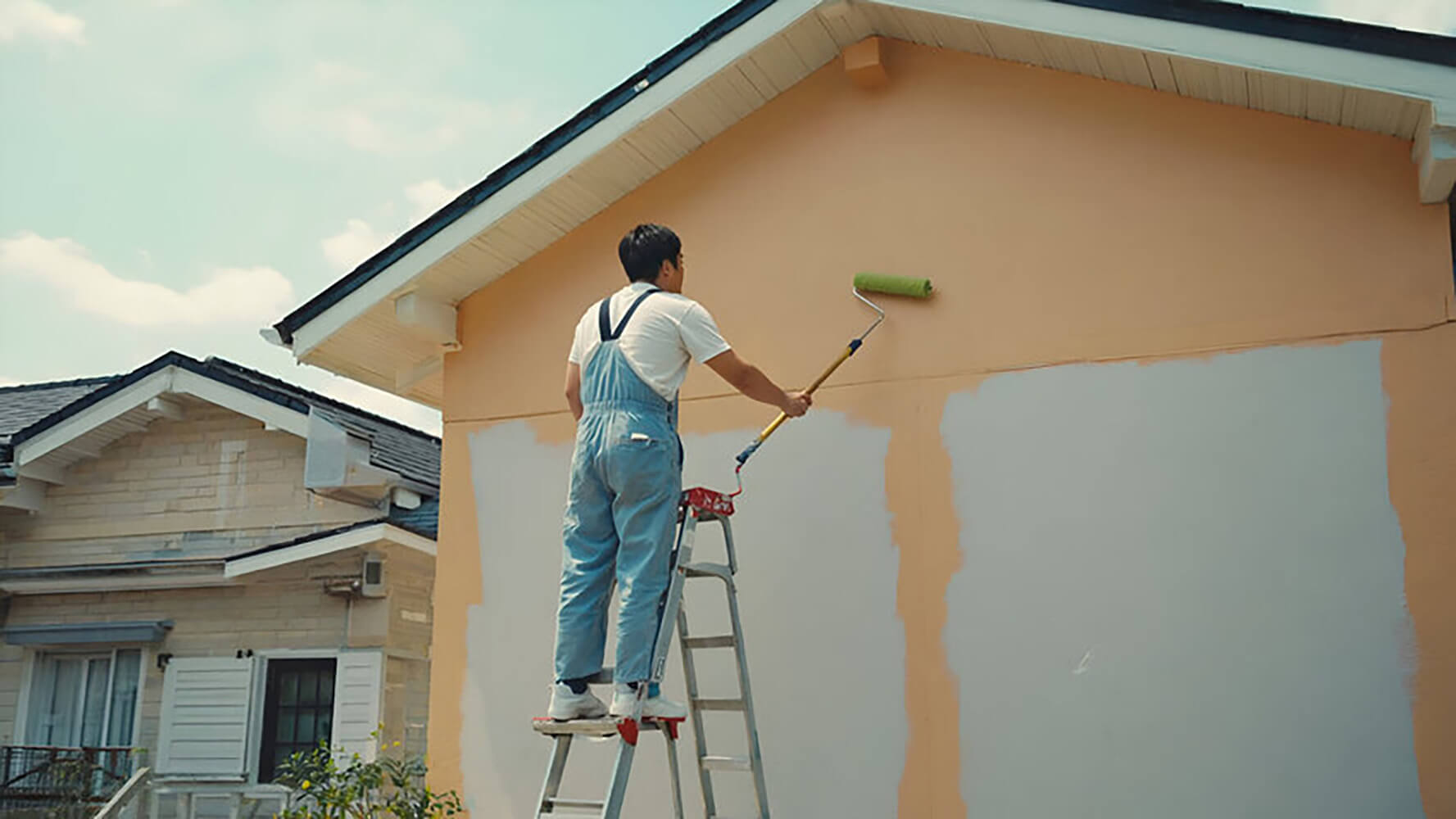
Paint does more than change color. A professional paint job can transform walls, ceilings, trim, doors, and cabinets in ways that shift how a room reads entirely. Outdated finishes that feel mismatched or worn can become a unified, cohesive space without a single structural change.
That capability covers more ground than most homeowners realize before they start getting renovation quotes.
The situations where paint alone is enough tend to share a few common characteristics. The surfaces are intact. The layout functions the way the homeowner needs it to. The fixtures and features are serviceable, even if they feel dated. The room doesn’t have a problem so much as it has a look that no longer fits.
Some of the most common scenarios where paint handles the job completely:
- Moving into a home with someone else’s color choices throughout
- Refreshing a space before listing for sale
- Updating rooms that haven’t been touched in several years
- Addressing trim and millwork that looks worn but is structurally sound
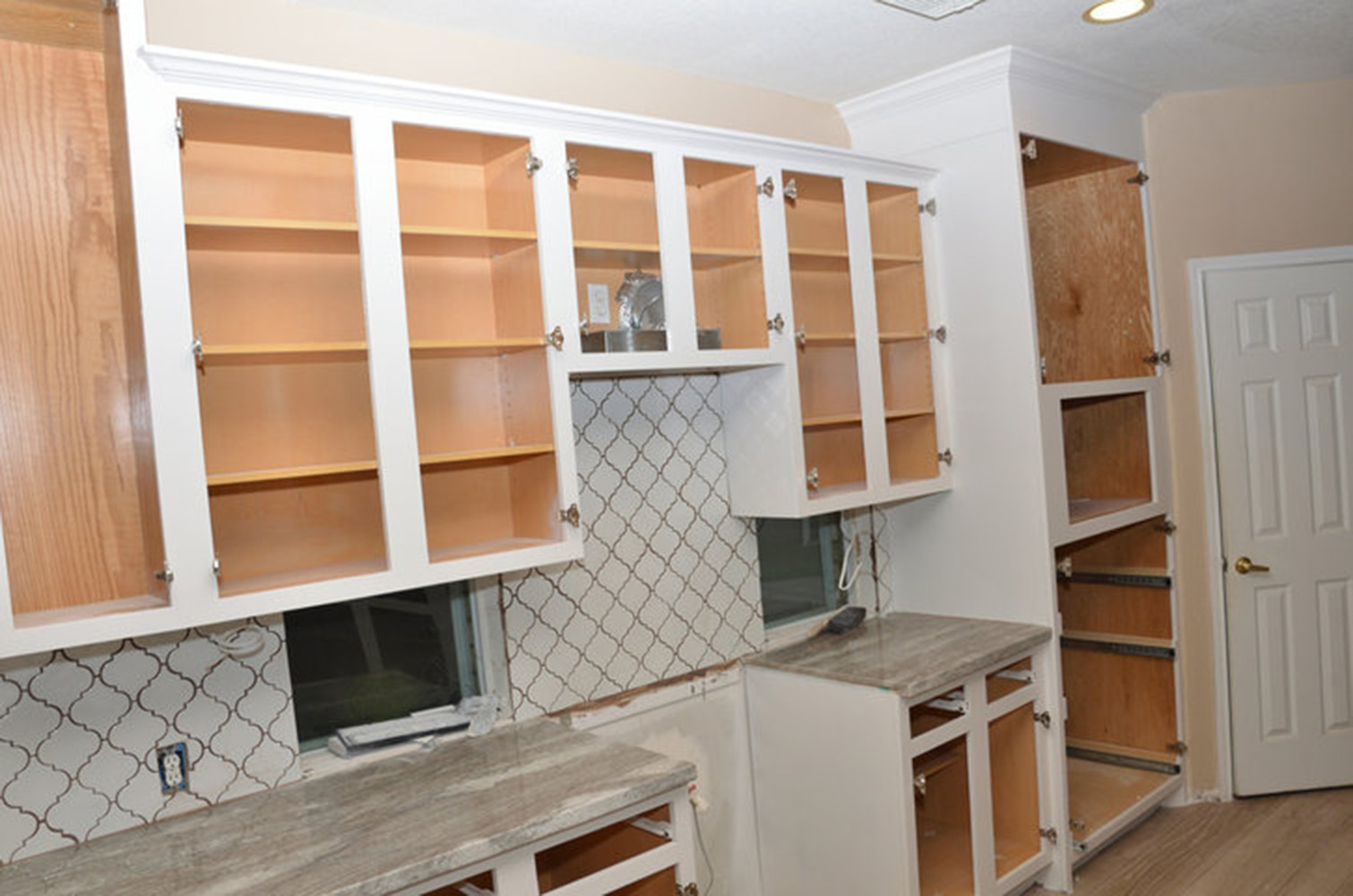
Cabinet painting and trim work extend that impact significantly. A kitchen with dated cabinet finishes and scuffed trim can feel like a different room after a professional repaint. Whether cabinet painting is worth it depends on condition, but when the structure is sound, it extends the impact of an interior refresh without crossing into renovation territory.
The principle at work is straightforward. When the bones of a room still function, paint is often the most efficient lever available. It addresses the layer of the space that people actually see and respond to every day, and it does so without the cost, timeline, or disruption of a renovation.
When a Renovation Is Worth the Investment
Paint is a surface solution. It works when the surface is the problem. When the problem runs deeper, paint doesn’t resolve it and can sometimes obscure it long enough to make things worse.
The conditions that call for renovation rather than paint are usually identifiable before any work begins. Water damage, mold, deteriorated drywall, and failing surfaces are not cosmetic issues. Neither are layouts that no longer fit how a space is actually used, or systems that need updating regardless of how the room looks.
The distinction between cosmetic wear and actual deterioration is worth understanding because they can look similar on the surface. Peeling paint near a window or bathroom ceiling might look like a paint problem. It often points to moisture working its way through the wall. Soft spots, persistent stains that return after cleaning, or bubbling that keeps reappearing in the same location are signals that something behind the surface needs attention.
A few conditions that typically indicate renovation rather than paint:
- Water damage that has affected drywall, framing, or substrate material
- Mold present behind walls or in areas that paint will cover but not eliminate
- Surfaces that have failed structurally and cannot hold a finish
- Layouts that don’t function for the way the space is used, regardless of how it looks
- Mechanical or system updates that require opening walls anyway
One framing that helps clarify the decision: cost comparison between painting and renovation is rarely the right lens. The right question is what the space actually requires. The same logic applies at the cabinet level — whether painting or replacing cabinets makes more sense comes down to what the cabinets actually need, not which option costs less upfront. Painting over a damaged surface doesn’t fix the damage. It defers the repair and usually means paying for paint twice once the underlying issue eventually surfaces.
When Painting and Renovation Work Together
The choice between painting and renovation is often framed as either/or. In practice, the more useful question is frequently about sequence.
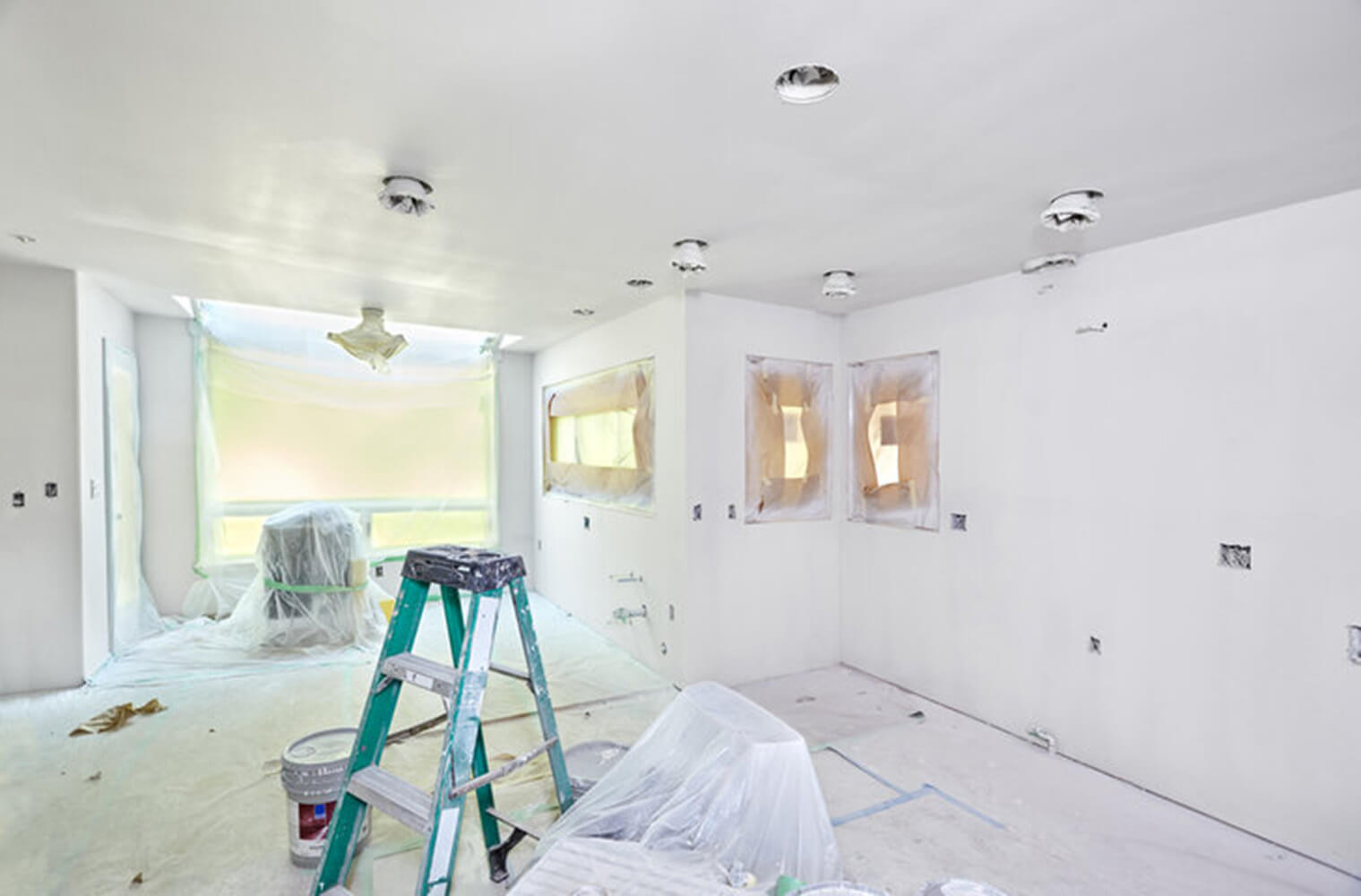
Many rooms don’t need a full renovation. They need one targeted repair followed by paint. A section of water-damaged drywall that has been properly dried and remediated. A section of trim that needs replacement before the room gets a fresh coat. A cabinet door that needs rehanging before refinishing makes sense. The scope of the actual problem is often narrower than the initial impression of a tired room suggests.
Where sequencing matters most is in the painting-twice scenario. It happens often enough to be worth understanding before any commitment is made. A homeowner decides the room just needs paint, moves forward, and the underlying issue eventually resurfaces through the new finish. The repair happens after the fact, and the room gets painted again. The cost of the paint job effectively doubles, and the disruption happens twice.
Identifying the right sequence upfront avoids that outcome. It means distinguishing between a surface that is ready for paint and a surface that needs one specific repair before paint will hold and perform the way it should.
A professional painter is often the right first call for that assessment, even before a contractor is brought in. Painters work directly with surfaces and can identify whether a wall is ready to receive paint or whether something specific needs to happen first. That distinction keeps the scope of work targeted rather than allowing a surface concern to escalate into an assumption that the whole room needs rebuilding.
Making the Right Call for Your Home
The decision between interior painting and full renovation comes down to three questions. Is the problem cosmetic? Is it structural? Or is it a sequencing question where one targeted fix needs to happen before paint?
Most well-maintained rooms fall into the first category. The threshold for renovation is genuinely higher than it tends to feel when a homeowner is standing in a space that looks tired and wants it resolved. Paint addresses the layer of a room that shapes how it feels day to day, and a professional paint job covers more ground than most people expect before they see the finished result.
The sequencing reframe is worth holding onto as well. The question of when paint is enough isn’t just about whether to paint or renovate. It includes knowing when to paint now and when to paint after one specific repair, keeping the scope of the project accurate rather than either underestimating a real problem or overestimating what a tired surface actually requires.
If any of this sounds like the situation in your home, Texas Star Painting of Austin is here to help. We serve homeowners throughout the Austin area and our interior painting services cover everything from refreshing tired rooms to assessing whether a repair needs to come first. Contact us today to schedule a conversation with our team.