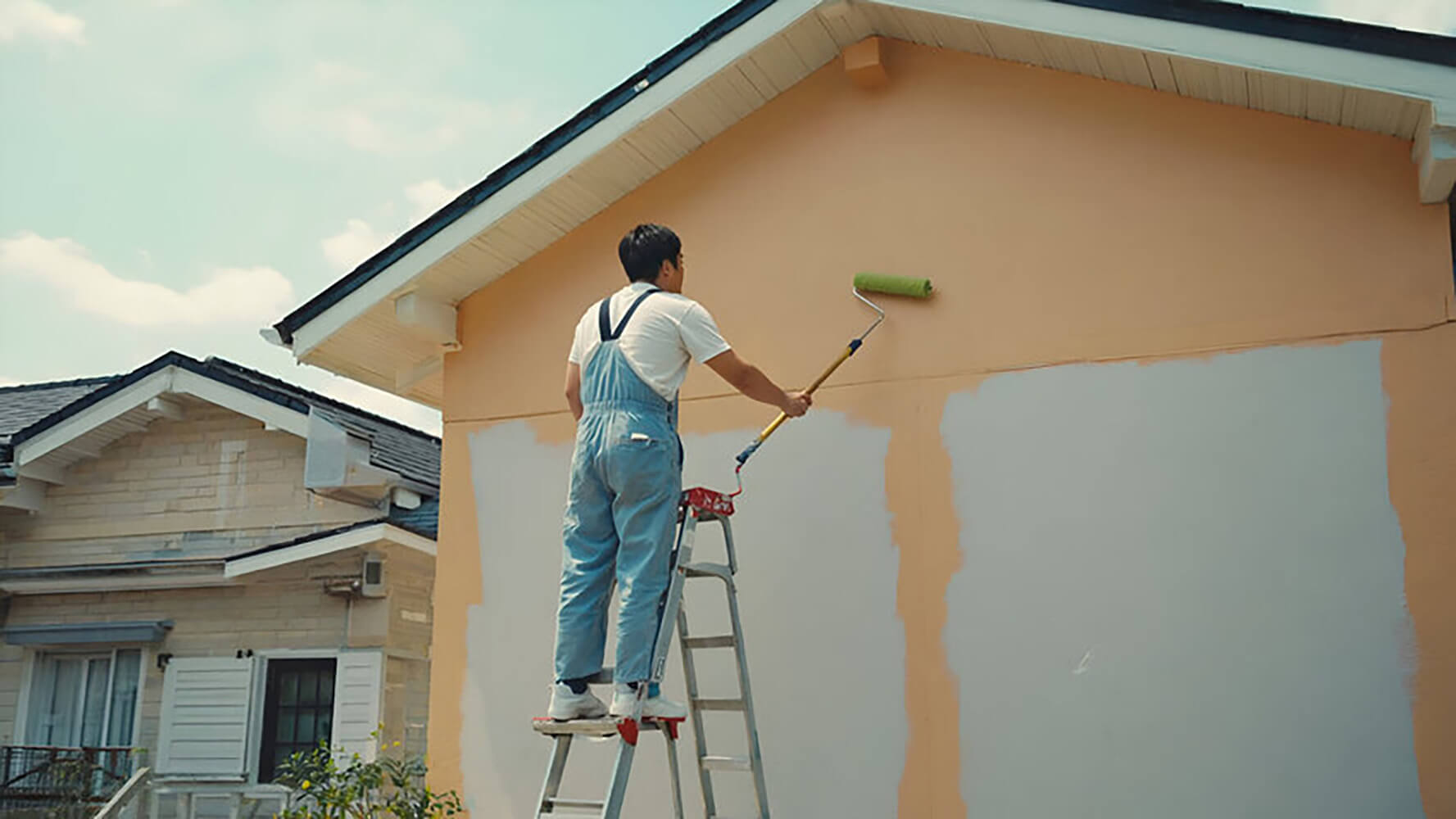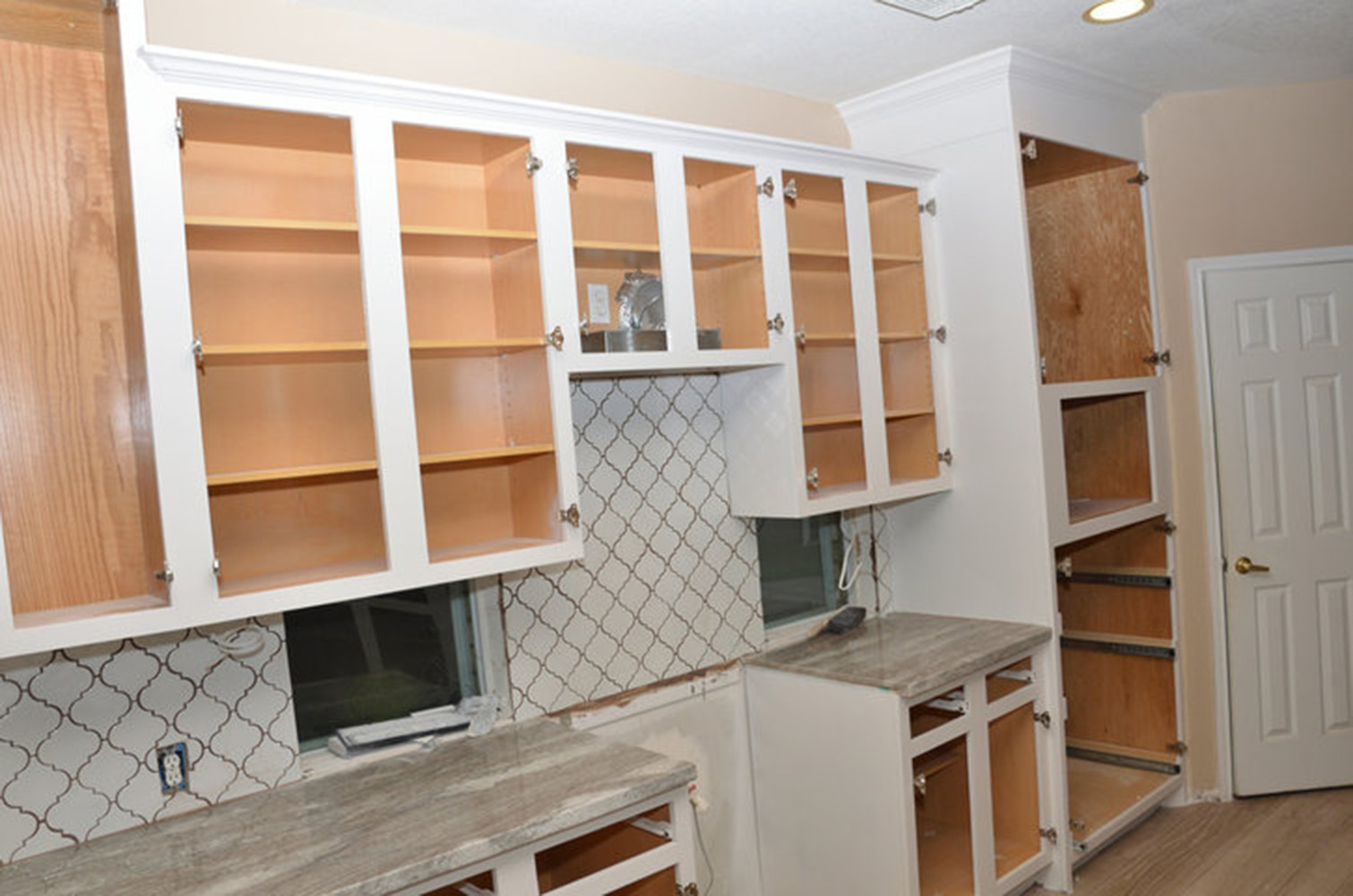
How Long Does Exterior Paint Usually Last in Austin, TX?
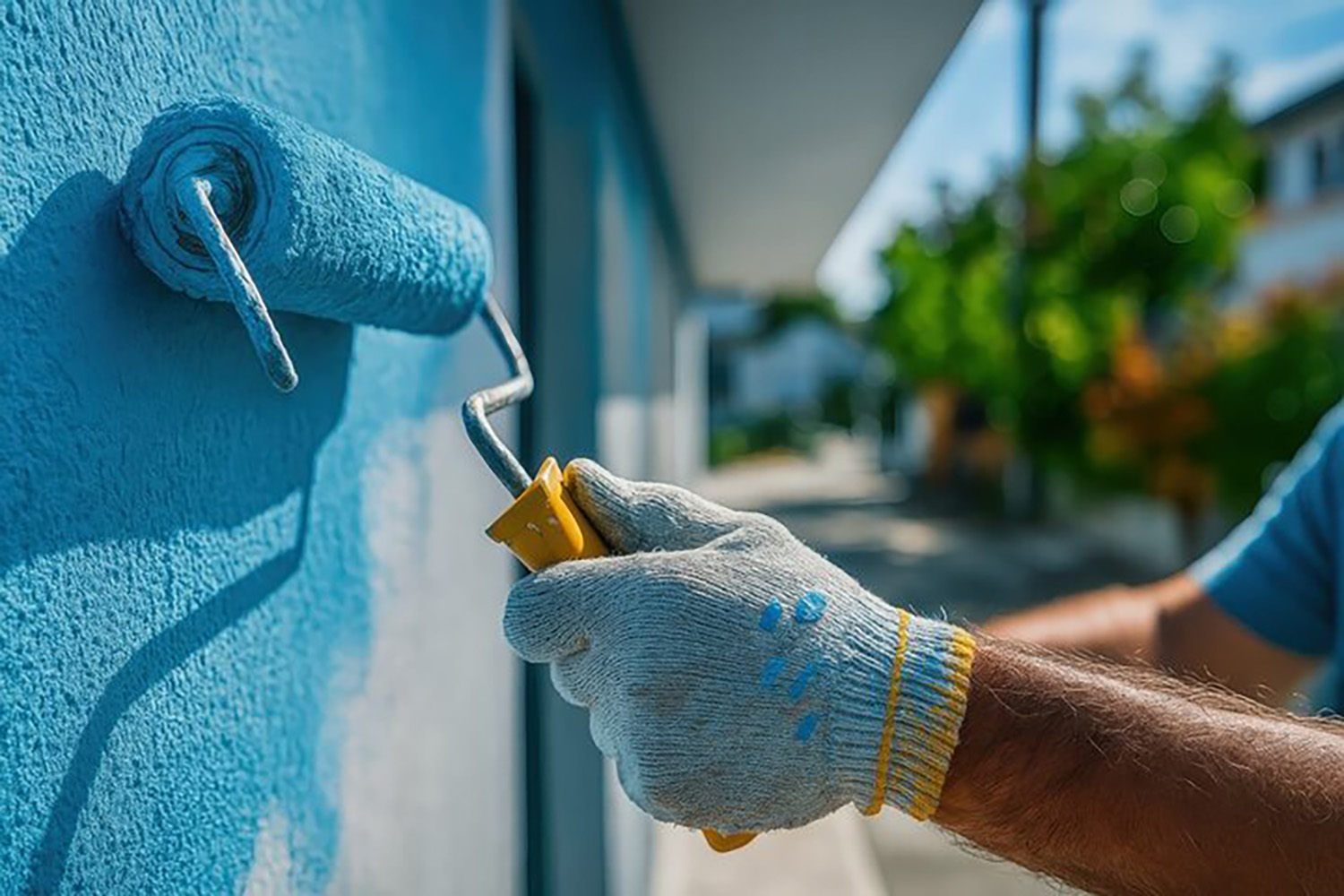
One of the most common questions homeowners ask is how long does exterior paint usually last, especially in a climate like Austin, TX. After investing in a full repaint, you want to know how many years you can realistically expect before it needs attention again.
The honest answer is that there isn’t one fixed number. Exterior paint lifespan depends on several variables, including weather exposure, the type of surface being painted, and the quality of preparation and application. Two homes in the same neighborhood can age very differently based on how much sun they receive or how well the surfaces were prepped.
In Central Texas, heat, UV exposure, humidity, and sudden weather shifts all play a role in how long exterior paint lasts. Understanding these influences helps you set realistic expectations and plan ahead rather than waiting for visible failure.
In this guide, we’ll break down what homeowners in Austin can typically expect and what factors truly determine durability over time.
What a Typical Exterior Paint Lifespan Looks Like in Austin
In Austin, most professionally applied exterior paint jobs last somewhere between 5 and 10 years.
That range surprises many homeowners. Some expect paint to last 15 years or more, while others assume they will need to repaint much sooner.
The reality is that exterior paint longevity is rarely a fixed number. It falls within a range influenced by conditions unique to each home.
In general:
- Wood siding often needs repainting closer to the 5–7 year range
- Stucco and fiber cement can sometimes last 7–10 years
- Trim and high-exposure areas may show wear sooner than main siding
Even within the same subdivision, you might see one home fading while the neighbor’s still looks fresh. That difference usually comes down to sun exposure, surface condition, and how the previous paint job was applied.
It’s also important to understand that repainting doesn’t always happen because paint has completely failed.
In many cases, homeowners choose to repaint when:
- Colors noticeably fade
- The finish begins to look dull or chalky
- Small areas of peeling or cracking appear
- Caulking lines start to break down
These early signs don’t mean the paint has entirely lost protection. They simply signal that the coating is aging.
Instead of thinking about exterior house paint durability as a guarantee, it’s more helpful to view it as a maintenance cycle. With proper care and professional application, most Austin homes can stay protected for several years before a full repaint becomes necessary.
How Austin Weather Impacts Exterior Paint Durability
Austin’s climate plays a significant role in how exterior paint performs over time, and this ties directly to insights on weather affecting exterior paint durability that many homeowners overlook. The intense Texas sun is one of the biggest factors. Prolonged UV exposure gradually breaks down the binders in paint, leading to fading, chalking, and a loss of surface integrity. South- and west-facing walls often show wear faster because they absorb the most direct sunlight throughout the day.
Heat also accelerates expansion and contraction. When exterior surfaces repeatedly expand in high temperatures and contract as they cool, small stress cracks can form in the paint film. Over time, this movement weakens adhesion and makes peeling more likely, especially on wood and trim.
Humidity adds another layer of stress. While Austin is not a coastal climate, seasonal moisture and occasional heavy rains can seep into small cracks or unsealed joints. If water becomes trapped beneath the paint, it can cause bubbling or blistering as temperatures rise again.
Even sudden seasonal shifts matter. Rapid changes between cooler fronts and hot afternoons create ongoing stress on exterior surfaces. In Central Texas, these combined elements gradually shorten the exterior paint lifespan compared to milder climates, which is why realistic repaint timelines often fall within that 5–10 year window.
Why Exterior Surface Materials Matter
Not all exterior materials hold paint the same way. The type of surface on your home directly affects how long the coating will perform before it starts to show wear.
Wood siding, for example, is highly responsive to moisture and temperature. It naturally expands and contracts throughout the year. That movement places stress on the paint film, especially along joints and edges. Even with quality products, wood typically requires more frequent repainting because of this constant shifting.
Stucco behaves differently. It is more stable overall, but its porous texture absorbs paint unevenly if not properly primed. When applied correctly, paint can adhere well to stucco and last several years. However, hairline cracks in stucco can telegraph through the coating over time, especially during hot, dry spells followed by rain.
Fiber cement siding tends to offer strong exterior house paint durability because it expands and contracts less than wood. When properly prepared and sealed, it often holds paint longer and resists common moisture-related issues. Still, exposure levels and prep quality matter just as much as the material itself.
Trim, fascia, and other architectural details often show wear sooner than large siding areas. These components are usually more exposed to direct sun and rain, and they often include seams, corners, and edges where paint naturally breaks down first.
Understanding what your home is made of helps set realistic expectations. Some materials simply require more maintenance cycles than others, even under identical weather conditions.
How Preparation and Application Affect Longevity
Even the best paint cannot perform well if the surface underneath is not properly prepared. In many cases, the difference between a paint job that lasts five years and one that lasts closer to ten comes down to workmanship.
Preparation is not the most visible part of a project, but it is often the most important.
Proper prep typically includes:
- Thorough cleaning to remove dirt, chalking, mildew, and debris that prevent adhesion
- Scraping and sanding loose or peeling paint to create a stable surface
- Repairing minor wood damage or filling small cracks before coating
- Re-caulking gaps around trim, windows, and joints to seal out moisture
- Priming bare areas to ensure even coverage and bonding
Skipping or rushing these steps can dramatically shorten how long exterior paint lasts.
Application techniques also matter. High-quality paint system applied at the correct thickness provides better coverage and UV protection, and knowing how to choose exterior paint finishes can make a meaningful difference in how long your paint job performs. Paint that is applied too thin may fade faster, while improper curing conditions can reduce adhesion.
Professional painters also pay attention to temperature and humidity during application. Applying paint outside of manufacturer-recommended conditions can compromise the coating before it fully cures.
Ultimately, surface condition, product selection, and careful application work together to determine long-term durability. When each step is handled correctly, the exterior paint lifespan becomes far more predictable and consistent.
Factors That Can Shorten or Extend Exterior Paint Life
Beyond weather and materials, several everyday environmental factors influence how long exterior paint lasts on a home in Austin.
Sun exposure is one of the most noticeable differences. Homes with large sections facing west or south often experience faster fading and surface breakdown because those walls endure stronger afternoon sun. In contrast, shaded areas protected by trees or neighboring structures may retain their color and finish longer.
Home orientation also plays a role. One side of the house may look nearly new while another shows early signs of wear. This uneven aging is common and usually tied to how much direct light and wind each surface receives.
Moisture exposure can either shorten or extend durability depending on how well the home is protected. Areas near landscaping, irrigation systems, or roof runoff tend to stay damp longer. When moisture lingers against siding or trim, it increases the risk of blistering, peeling, or softening caulk lines.
Routine upkeep can make a meaningful difference. Simple maintenance habits such as gently washing away surface dirt, keeping gutters clear, and trimming back vegetation help prevent moisture buildup and surface staining. These small steps reduce stress on the paint film and support longer performance.
Ultimately, environment and maintenance habits shape the exterior paint lifespan just as much as the original application. Two homes built the same year can age very differently based on exposure and care.
Signs It May Be Time to Repaint
Exterior paint rarely fails all at once. In most cases, subtle warning signs appear well before major peeling or widespread damage occurs.
Knowing what to watch for helps you address aging paint early rather than waiting until surfaces are exposed.
Common indicators include:
- Noticeable fading, especially on sun-facing walls
- A chalky residue that rubs off on your hand when touching the surface
- Hairline cracks forming in the paint film
- Peeling or flaking along edges, trim, or seams
- Bubbling or blistering caused by trapped moisture
- Caulk lines that are splitting or pulling away from joints
- Exposed wood or bare material showing through worn areas
These signs do not always mean immediate failure, but they do suggest the coating is nearing the end of its protective cycle.
In Austin’s climate, early fading is often the first visible clue. UV exposure gradually dulls color before structural issues appear. Addressing repainting at this stage can prevent deeper surface damage and reduce the need for extensive repairs later.
Paying attention to these changes allows homeowners to plan ahead instead of reacting to larger problems.
Setting Realistic Expectations for Exterior Paint Lifespan
When homeowners ask how long does exterior paint usually last, the most accurate answer is that durability depends on several interacting factors rather than a single timeline.
In Austin, most homes fall within a general 5–10 year repaint window.
Where your home lands within that range is influenced by climate exposure, surface materials, preparation quality, and ongoing maintenance.
Strong sun and heat accelerate fading. Moisture and seasonal shifts create stress on the paint film. Wood surfaces tend to require more frequent attention than fiber cement or properly sealed stucco. Workmanship during preparation and application can either extend or shorten performance significantly.
It’s also normal for different sides of the same home to age at different rates. One elevation may look solid while another begins to show wear, simply because of how it faces the sun.
Instead of viewing paint as a one-time improvement, it’s more helpful to think of it as part of a long-term maintenance cycle. Monitoring early signs of wear and understanding how your specific home responds to Austin’s climate gives you a clearer sense of when repainting makes practical sense.
If you are unsure how much life your current paint job has left, let Texas Star Painting of Austin take a closer look. We provide detailed exterior painting evaluations to help Austin homeowners understand their repaint timeline and surface condition. Our team will assess wear, exposure, and material type so you can make an informed decision about your exterior painting needs. Contact us today to schedule your consultation.