How Weather Affects Exterior Paint Durability in Austin, TX

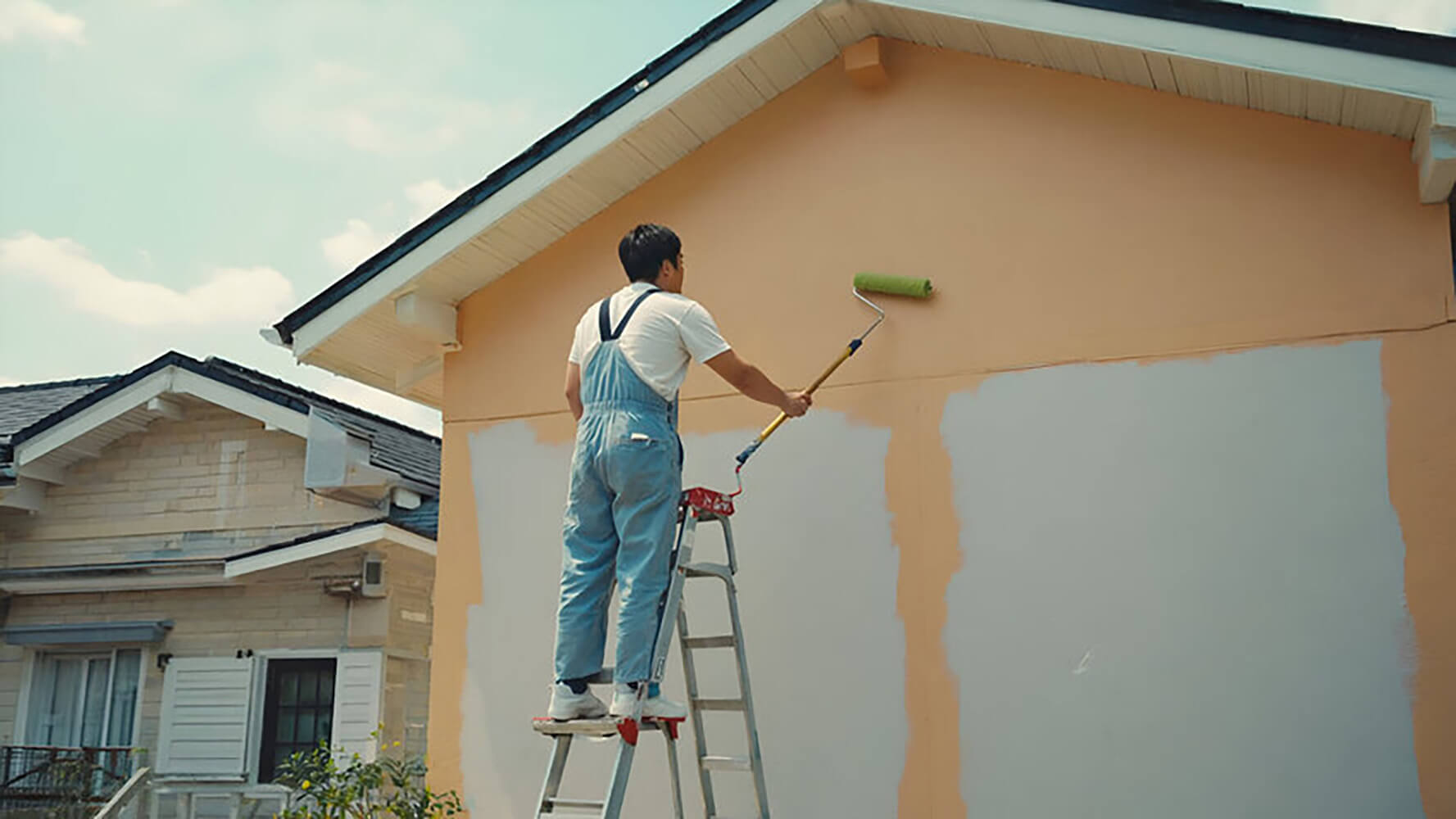
Exterior paint doesn’t fail overnight, but in Austin, many homeowners are surprised by how quickly fading, peeling, or cracking can show up. When paint starts to break down sooner than expected, it’s easy to blame the product or assume the job wasn’t done correctly. In reality, how weather affects exterior paint durability is often the biggest factor, especially in a climate like Central Texas.
Austin’s weather puts constant stress on exterior surfaces. Intense sun, prolonged heat, humidity, sudden storms, and temperature swings all work together to wear down paint over time. Even high-quality exterior paint can struggle if it’s exposed to the wrong conditions or applied without accounting for the local environment. This is why two homes painted the same year can age very differently depending on exposure, materials, and maintenance.
Understanding how Austin’s climate impacts exterior paint helps homeowners set realistic expectations and make better decisions. It clarifies why some areas of a home fail faster than others, why preparation matters so much, and what can realistically be done to extend the life of a paint job. By understanding the relationship between Texas climate and exterior paint, homeowners can better protect their investment and avoid premature repainting.
Why Austin’s Weather Is Especially Hard on Exterior Paint
Austin’s climate places constant strain on exterior paint due to prolonged exposure to heat, sun, moisture, and seasonal storms. Instead of facing one isolated challenge, exterior surfaces are stressed by multiple environmental factors at the same time, which accelerates wear and shortens paint lifespan compared to milder regions.
How Intense Sun and UV Exposure Break Down Exterior Paint
Sun exposure is one of the most damaging forces affecting exterior paint in Austin. Ultraviolet rays steadily break down the chemical bonds that hold paint together, even when high-quality products are used.
Over time, UV exposure causes paint pigments to fade. Colors lose their depth and richness and may appear chalky or uneven, especially on darker or more saturated shades that absorb more sunlight.
UV damage also weakens the paint film itself. As flexibility is lost, paint becomes less protective and more vulnerable to cracking, moisture intrusion, and surface wear. Because sun exposure varies by orientation, some sides of a home age much faster than others.
How Heat and Temperature Swings Cause Cracking and Peeling
Heat places constant physical stress on exterior paint, especially in Austin where temperatures can remain high for long stretches of the year. As siding, High temperatures place ongoing physical stress on exterior paint. As siding, trim, and other materials heat up during the day, they expand, then contract again as temperatures cool overnight.
This daily movement pulls against the paint film. Over time, repeated expansion and contraction weaken adhesion and lead to cracking. Once cracks form, heat accelerates peeling by drying out the paint and reducing flexibility.
Areas exposed to full sun during the hottest parts of the day tend to show damage first, particularly around edges, seams, and trim where movement is most pronounced.
How Humidity and Rain Affect Paint Adhesion and Longevity
Humidity affects exterior paint both during application and long after it has cured. When moisture levels remain high, paint struggles to dry and bond as completely as it should, which weakens adhesion from the start.
Rain becomes a problem once moisture finds a path behind the paint film. Small cracks, aging caulk, or unsealed edges allow water to seep in during storms. As surfaces heat up again, trapped moisture pushes outward and slowly breaks the bond between paint and surface.
Repeated wet and dry cycles compound this damage over time, leading to bubbling, peeling, and lifting that shorten the lifespan of the paint job.
How Wind, Dust, and Storm Debris Gradually Wear Down Paint
Wind contributes to paint wear by carrying dust, pollen, and debris that repeatedly brush against exterior surfaces. This creates a subtle abrasive effect that slowly erodes the paint’s protective layer.
During storms, that wear increases as wind-driven debris strikes siding and trim, causing small chips and surface damage. While these marks may seem minor at first, they create entry points for moisture and sunlight to accelerate further deterioration.
Homes in open or elevated areas often experience this type of wear more quickly, especially on fences, garage doors, trim, and exposed walls.
Why Proper Surface Preparation Matters More in Austin’s Climate
Surface preparation plays a much bigger role in exterior paint performance when the weather is harsh, and the same principles behind proper surface preparation apply whether you’re painting inside or out. In a climate like Austin’s, even small prep shortcuts can lead to early paint failure because the paint is immediately exposed to heat, sun, and moisture.
Key preparation steps that protect exterior paint in Austin include:
- Thoroughly cleaning surfaces to remove dirt, pollen, and mildew
- Repairing cracks, gaps, and damaged siding before painting
- Replacing failing caulk around seams, trim, and joints
- Allowing surfaces to fully dry before paint is applied
Dirt, dust, and pollen are common on exterior surfaces and interfere with paint adhesion if they aren’t fully removed. When paint is applied over contaminants, it may look fine at first but is more likely to peel or blister once the weather starts stressing it.
Moisture issues also become more serious without proper prep. Cracks, gaps, and failing caulk allow water to get behind the paint, especially during heavy rain. If these problem areas aren’t repaired and sealed beforehand, the paint layer becomes vulnerable almost immediately.
In Austin’s climate, preparation isn’t just about appearance. It’s about creating a stable surface that can handle constant expansion, UV exposure, and moisture. Thorough prep helps paint bond properly, cure evenly, and resist the weather impact on exterior paint for as long as possible.
How Choosing the Right Exterior Paint Improves Durability in Austin
Not all exterior paints are designed to handle the demands of Central Texas weather. In Austin, paint needs to withstand prolonged sun exposure, high heat, humidity, and sudden storms without breaking down prematurely.
Key features that help exterior paint perform better in Austin include:
- UV resistance to slow fading and color breakdown
- Flexible binders that move with siding and trim as temperatures change
- Moisture resistance to limit water penetration during rain and humidity
- Formulations rated for extreme heat and prolonged sun exposure
Paints formulated for harsh climates use stronger binders and additives that resist UV damage and slow fading. These products are designed to stay flexible longer, which helps them move with siding and trim as temperatures rise and fall. Without that flexibility, paint is more likely to crack or peel under stress.
Moisture resistance also matters. High-quality exterior paints are better at shedding water and limiting how much moisture can penetrate the surface. This reduces the risk of bubbling, blistering, and adhesion failure during rainy or humid periods.
Choosing the right paint also means matching it to the surface being painted. Wood, fiber cement, stucco, and metal all expand and absorb moisture differently. Using a paint designed for the specific material helps improve performance and longevity.
In a Texas climate and exterior paint environment like Austin’s, product choice isn’t just about color. It plays a direct role in how well the paint holds up over time.
How Long Exterior Paint Realistically Lasts on Austin Homes
Exterior paint doesn’t have a single, fixed lifespan, especially in a climate like Austin’s. While many homeowners hear general estimates like “seven to ten years,” the reality is that weather exposure often shortens those timelines.
In Austin, exterior paint commonly lasts closer to five to seven years under typical conditions. Homes with heavy sun exposure, minimal shade, or older siding may see signs of wear even sooner. On the other hand, well-prepped surfaces, high-quality paint, and protected elevations can help paint last longer.
Several factors influence how long paint holds up. The direction a home faces affects UV exposure. The type of siding determines how much movement and moisture absorption occurs. Maintenance habits also play a role, as small issues left unaddressed tend to grow quickly in this climate.
Homeowners usually notice deterioration gradually. Fading often appears first, followed by fine cracking, chalking, or peeling around trim and seams. These early signs are important because addressing them promptly can prevent more extensive damage.
Understanding realistic timelines helps homeowners plan ahead. Knowing what exterior paint durability in Austin looks like makes it easier to budget, schedule maintenance, and avoid being caught off guard by premature paint failure.
What Austin Homeowners Can Do to Protect Exterior Paint Over Time
While Austin’s weather can’t be controlled, homeowners can take steps to reduce how quickly it wears down exterior paint. Small, consistent efforts make a noticeable difference in how long a paint job holds up.
Regular inspections are one of the most effective habits. Walking the exterior a few times a year helps catch early signs of cracking, peeling, or moisture intrusion before they spread. After major storms or extended heat waves, checking vulnerable areas like trim, seams, and shaded corners is especially important.
Keeping surfaces clean also helps. Dirt, pollen, and mildew trap moisture and accelerate breakdown when left in place. Gentle washing removes buildup without damaging the paint and helps it perform as intended.
Prompt repairs matter more than many homeowners realize. Replacing failing caulk, sealing small cracks, and touching up exposed areas prevents water from getting behind the paint. In Austin’s climate, delaying these fixes allows weather damage to compound quickly.
Managing nearby landscaping can also help. Trimming back shrubs and trees improves airflow, reduces moisture retention, and limits abrasion from branches rubbing against painted surfaces.
These proactive steps don’t eliminate weather impact on exterior paint, but they do slow it down, helping exterior paint last longer and age more evenly over time.
How Understanding Austin’s Weather Helps Homeowners Plan Smarter Exterior Painting Projects
Exterior paint in Austin is constantly affected by sun, heat, humidity, rain, and wind, and those forces don’t act independently. Together, they explain why paint fades unevenly, cracks earlier than expected, or peels in specific areas of a home. When homeowners understand how weather affects exterior paint durability, those outcomes make a lot more sense.
Austin’s climate accelerates normal wear. Intense UV exposure breaks down paint over time, heat causes movement beneath the surface, and moisture finds its way into small vulnerabilities. None of this means exterior paint is destined to fail quickly, but it does mean planning matters. Preparation, product choice, and maintenance all carry more weight in this environment than they might in milder regions.
Having realistic expectations also helps homeowners make better decisions. Knowing that exterior paint durability in Austin is influenced by exposure, materials, and upkeep makes it easier to budget, schedule repainting, and address small issues before they become expensive ones. Instead of reacting to visible damage, homeowners can stay ahead of it.
If you’re noticing fading, peeling, or uneven wear on your home’s exterior, Austin’s weather may be playing a bigger role than you realize. A professional evaluation can help you understand what’s happening and what actually needs attention. Texas Star Painting’s exterior painting services are designed for Austin’s climate, with proper prep, product selection, and timing to help your paint last longer and wear more evenly.