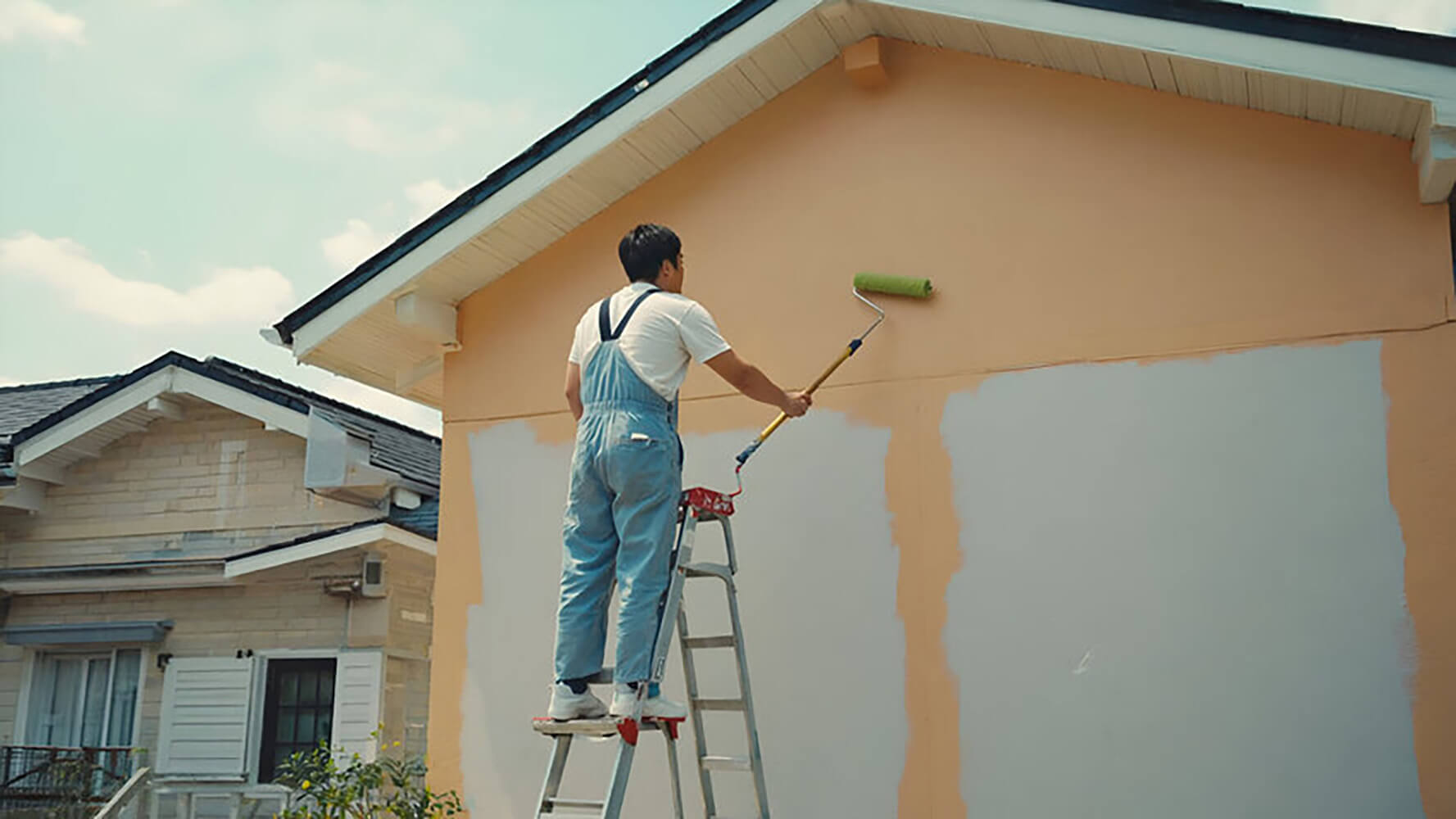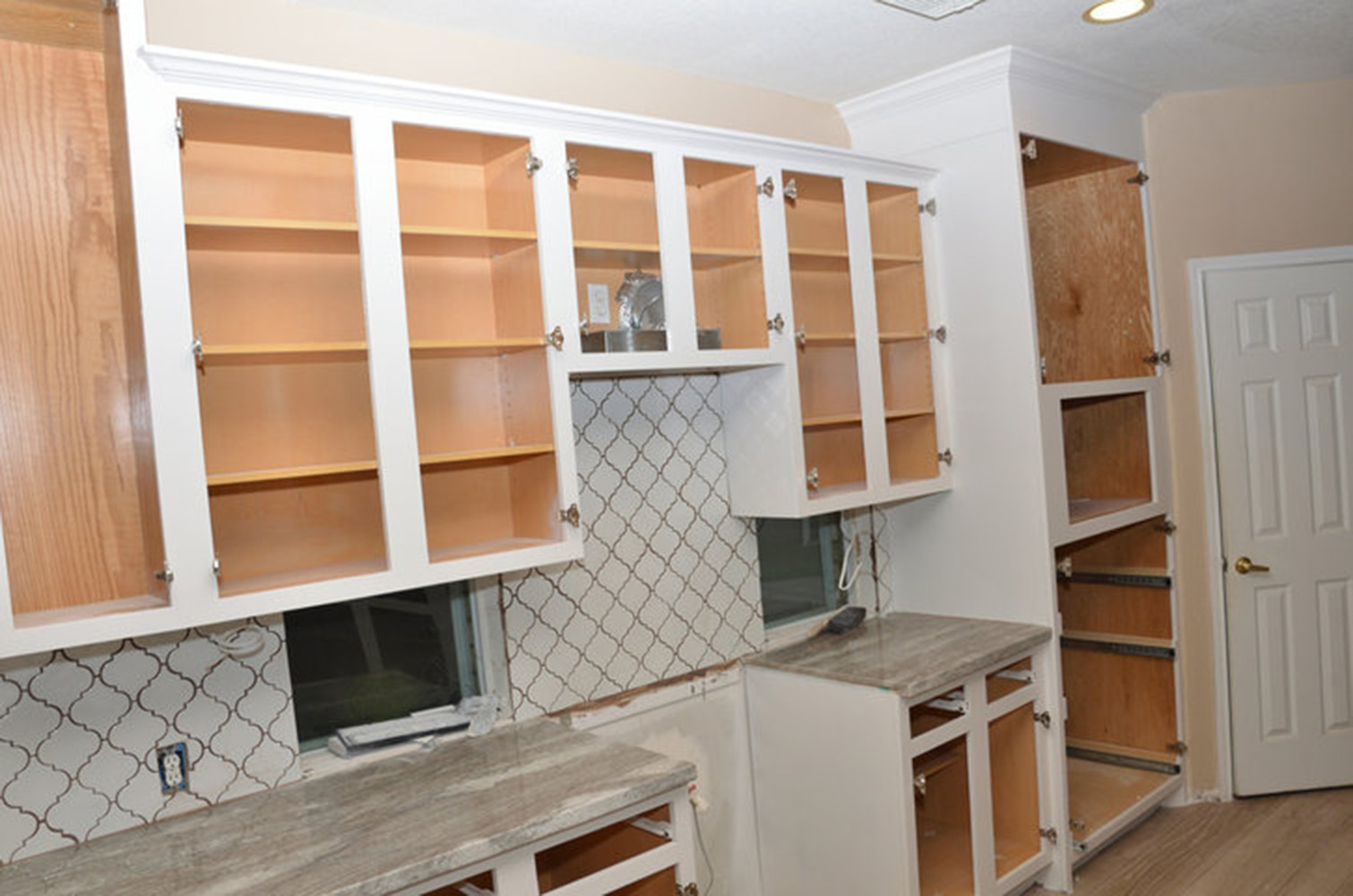
Best Time for Exterior Painting in Austin: Weather, Seasons, and Scheduling
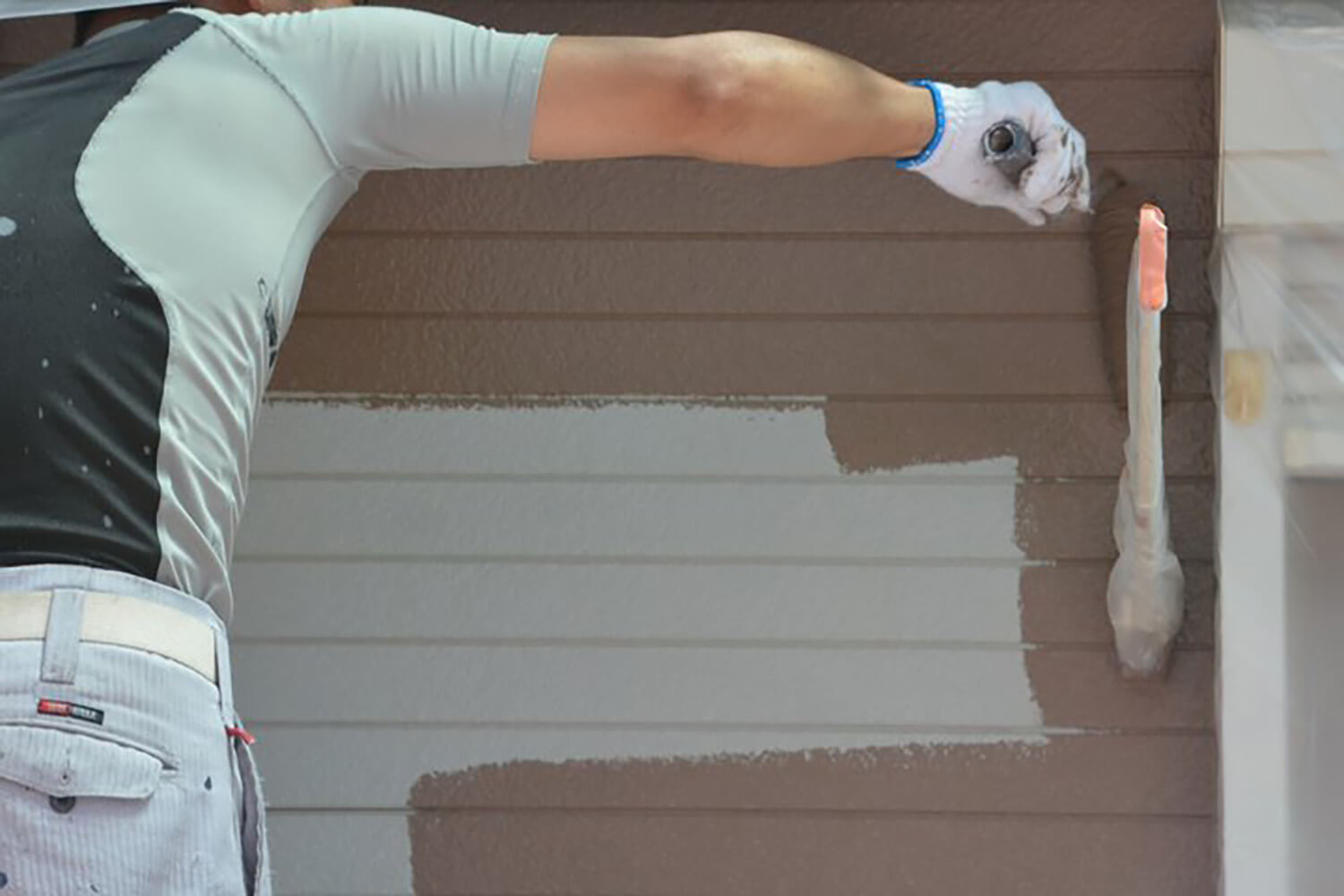
Choosing the best time for exterior painting is one of the most important decisions homeowners in Austin make when planning a project. The local climate brings intense heat, sudden storms, and fluctuating humidity, all of which can directly affect how paint dries, cures, and ultimately holds up over time. It’s common for homeowners to wonder whether they should wait for a certain season, avoid specific months, or adjust their schedule to prevent premature peeling or fading.
Timing matters because exterior paint isn’t just about appearance. It’s a protective layer that shields your home from sun exposure, moisture, and temperature changes. Painting at the wrong time can lead to uneven finishes, adhesion issues, or shortened paint life, even when quality materials are used. On the other hand, choosing the right window can significantly improve durability and overall results.
This article is designed to help Austin homeowners understand how weather and seasonal patterns influence exterior painting decisions. It will explain how local climate conditions set practical limits, clarify which times of year tend to work best, and outline what to realistically expect if you’re painting outside those ideal windows. By the end, you’ll have a clearer picture of how timing impacts your project and how to plan around Austin’s unique weather challenges with confidence.
How Austin’s Climate Sets the Limits for Exterior Painting
Austin’s climate plays a direct role in how well exterior paint performs, regardless of product quality or surface preparation. Paint needs a stable window of time to properly dry and cure, and local weather conditions determine whether that window exists.
Several weather-related factors define when exterior painting can happen successfully:
- Temperature extremes that cause paint to dry too quickly or cure too slowly
- Wide daytime-to-nighttime swings that interfere with proper bonding
- High humidity that slows evaporation and increases the risk of surface defects
- Moisture trapped beneath the paint film that can lead to common exterior paint problems
- Rain and sudden storms that can damage uncured paint or interrupt application
Because of these conditions, exterior painting requires more than just a clear forecast on the day work begins. Even experienced professionals must work within these climate limits to protect adhesion, finish quality, and long-term durability.
Understanding how Austin’s weather affects paint behavior helps homeowners see why timing matters and why not every sunny day provides a suitable window for exterior work.
Why Spring and Fall Are Usually the Best Time for Exterior Painting in Austin
For most Austin homeowners, spring and fall provide the most dependable conditions for exterior painting. These seasons consistently fall within the temperature and humidity ranges exterior paints need to dry and cure properly, which leads to more predictable and durable results.
Several factors make spring and fall the most reliable choice:
- Moderate daytime temperatures that avoid extreme heat
- More stable overnight lows that support proper curing
- Lower humidity compared to peak summer months
- Longer stretches of workable weather for consistent progress
Weather during these seasons is also easier to plan around. While rain can still occur, especially in spring, short-term forecasts are usually more reliable, allowing painters to adjust schedules without major disruptions or rushed application.
Homeowners should also factor in demand. Because spring and fall are widely considered the best season for exterior painting, contractor availability can fill quickly. Scheduling early helps secure preferred timing and avoids unnecessary delays.
Overall, spring and fall offer the widest margin for success. With moderate conditions and greater predictability, exterior painting projects are easier to manage and more likely to perform well over time in Austin’s climate.
What to Expect When Painting Your Home Exterior During Austin Summers
Summer in Austin presents some of the most challenging conditions for exterior painting, primarily due to extreme heat and prolonged sun exposure. Even though professionals can complete projects during this season, homeowners should adjust expectations to account for tighter working windows and increased weather-related risks.
High daytime temperatures can cause paint to dry too quickly, especially on sun-facing surfaces. Rapid drying can lead to lap marks, uneven sheen, and reduced adhesion if the paint doesn’t have enough time to properly level. Heat also affects the pace of work, often limiting painting to early mornings or shaded sides of the home.
Humidity can further complicate summer projects. Moist air slows evaporation, which may extend drying times even when temperatures are high. This combination of heat and humidity increases the importance of monitoring conditions closely throughout the day.
Professional painters often adapt by breaking the project into phases, rotating around the home based on sun exposure, and adjusting start times to avoid peak heat. These strategies help manage risk but can lengthen overall timelines.
Summer exterior painting is possible, but it requires more careful planning and flexibility. Homeowners should expect a more conservative schedule and understand that protecting paint quality takes priority over speed during Austin’s hottest months.
Why Winter Exterior Painting in Austin Is More Limited but Sometimes Possible
Winter exterior painting in Austin is more constrained than other seasons, mainly because conditions can change quickly from day to night. While winters are generally mild, they still create a narrower window for safe application and curing.
Key factors that limit winter exterior painting include:
- Cooler overnight temperatures that can interfere with proper curing
- Daytime temperature swings that shorten the safe painting window
- Shorter daylight hours that limit how much work can be completed
- Slower curing when surfaces don’t stay warm long enough
Because of these constraints, winter projects require careful timing and close weather monitoring. When temperatures remain stable and dry conditions persist, professionals can complete exterior painting successfully, but homeowners need realistic expectations and expert oversight.
How to Plan and Schedule an Exterior Painting Project Around Austin Weather
Planning and scheduling are just as important as choosing the right season when it comes to exterior painting in Austin. Because weather conditions can shift quickly, successful projects are built around flexibility rather than fixed dates.
Homeowners should plan to book exterior painting well in advance, especially during spring and fall when demand is highest, and make sure proper prep planning is handled before work begins. Even outside peak seasons, availability can fill quickly once favorable weather appears.
Effective scheduling typically includes:
- Building buffer days into the timeline to account for rain or humidity delays
- Staying flexible with start dates rather than locking into a single day
- Coordinating surface prep so the home is ready when weather conditions align
- Allowing painters to adjust daily work based on sun exposure and forecasts
Professional painters rely on short-term forecasts and real-time conditions to make timing decisions. This may mean pausing work, shifting to different sides of the home, or extending the project slightly to protect paint quality.
From a homeowner’s perspective, the best approach is to prioritize results over speed. Projects that allow room for weather-related adjustments are far more likely to deliver even finishes, proper curing, and long-term durability in Austin’s unpredictable climate.
Key Takeaways for Choosing the Best Time to Paint Your Home Exterior in Austin
Choosing the best time for exterior painting in Austin comes down to understanding how local weather shapes what’s possible and when results are most reliable. Temperature, humidity, and rain all set firm limits on when paint can properly dry and cure, regardless of how high-quality the materials are. Ignoring those limits often leads to premature wear, visible flaws, or shortened paint life.
For most homeowners, spring and fall offer the widest margin for success. These seasons typically provide moderate temperatures and more stable conditions, making them the best overall window for exterior work. Summer and winter can still be workable, but they require tighter scheduling, closer monitoring, and more flexibility to avoid issues caused by heat, cold nights, or shifting conditions.
Good planning ties everything together. Building buffer days into the schedule, staying flexible with start dates, and allowing professionals to adjust around daily weather changes all play a role in protecting the final result. When timing decisions are made carefully, exterior painting becomes less stressful and far more durable.
If you’re ready to move forward, Texas Star Painting’s exterior painting service can help you plan the right timing and execute the job with Austin’s climate in mind. A professional assessment ensures proper prep, product selection, and scheduling so your home’s exterior looks great and holds up long after the project is complete.