How Long Does a Commercial Painting Project Take to Complete?
Planning a commercial painting project often starts with one key question: how long does a commercial painting project take to complete? For business owners and property managers, timing matters just as much as the quality of the work. Painting can affect daily operations, tenant access, customer experience, and revenue, so understanding the timeline upfront helps avoid costly disruptions.
Unlike residential projects, commercial painting timelines can vary widely. The size of the building, how the space is used, surface conditions, and access limitations all play a role in how long the work actually takes. A small office refresh may be completed quickly, while a large, occupied facility often requires phased work spread over a longer period. Without context, online estimates can feel vague or unreliable.
This article is designed to clarify what goes into a commercial painting timeline and why estimates differ from one property to the next. It will walk through the key factors that influence commercial painting duration, explain how time is typically spent throughout a project, and outline what property owners should realistically expect when scheduling work. By understanding how commercial painting timelines are built, you can plan more confidently and make informed decisions that align with your operational needs.
Key factors that affect how long a commercial painting project takes
There isn’t a single answer to how long commercial painting takes because timelines depend on several connected factors. Two properties with similar square footage can have very different schedules based on how the space is used, its condition, and how accessible it is during the project.
Commercial painting timelines are driven more by logistics than paint application. Many projects must work around active businesses, safety requirements, or limited access windows, which affects how efficiently crews can move.
Some projects move quickly when spaces are vacant, surfaces are in good condition, and access is unrestricted. Others take longer when work must be phased, scheduled after hours, or coordinated around daily operations. For this reason, timelines are usually provided as ranges rather than fixed dates.
Building Size
Building size is one of the biggest drivers of commercial painting project length because it directly affects labor hours, crew size, and how the work is Building size directly affects commercial painting project length because more square footage means more surfaces to prepare and paint. Smaller spaces often move faster due to simpler layouts and fewer access limitations.
As building size increases, timelines extend due to added surface area, vertical space, and coordination needs. High ceilings, stairwells, atriums, and multi-story layouts slow production because they require lifts or scaffolding and more frequent setup changes.
Larger projects also require more scheduling coordination, especially when multiple crews work across different zones. When planned properly, even large properties can maintain predictable timelines.
Property Type
Property type plays a major role in how long a commercial painting project takes because different spaces have different operational and regulatory requirements.
Office spaces are often easier to schedule, especially when work can be done evenings or weekends. Retail environments are more restrictive, with painting typically limited to overnight hours, which can extend the overall timeline.
Warehouses and industrial facilities may appear straightforward but often involve high ceilings, exposed steel, or specialized coatings that add time. Schools, medical facilities, and multi-tenant buildings usually have the strictest access and safety requirements, resulting in phased work and longer schedules.
Surface Condition
Surface condition has a significant impact on how long a commercial painting project takes because preparation work often determines the pace of Surface condition strongly influences how long a commercial painting project takes because preparation often consumes more time than painting itself.
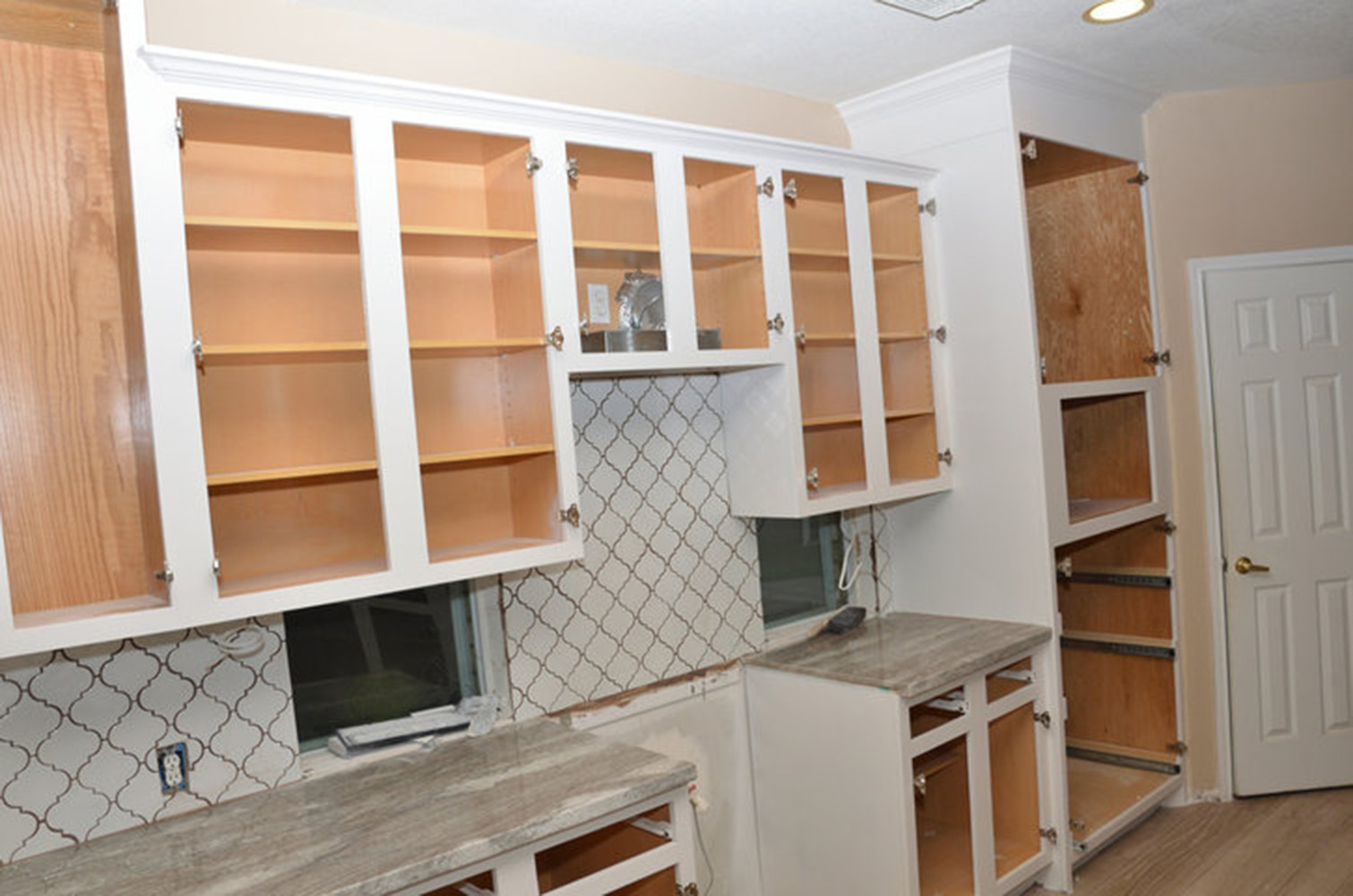
Heavily used or older spaces may require drywall repairs, paint removal, rust treatment, or moisture-related fixes before painting can begin. Just like interior projects, proper painting prep work determines whether the job moves efficiently or stalls due to repairs, and when surfaces aren’t in good condition, preparation can account for a significant portion of the schedule.
Surface issues are also a common reason timelines shift after work begins, since some problems aren’t visible until prep starts. Addressing these early helps keep the overall project length predictable.
Interior vs Exterior
Interior and exterior commercial painting follow different timelines. Indoor work is generally more predictable because it isn’t affected by weather and can progress steadily once access is established.
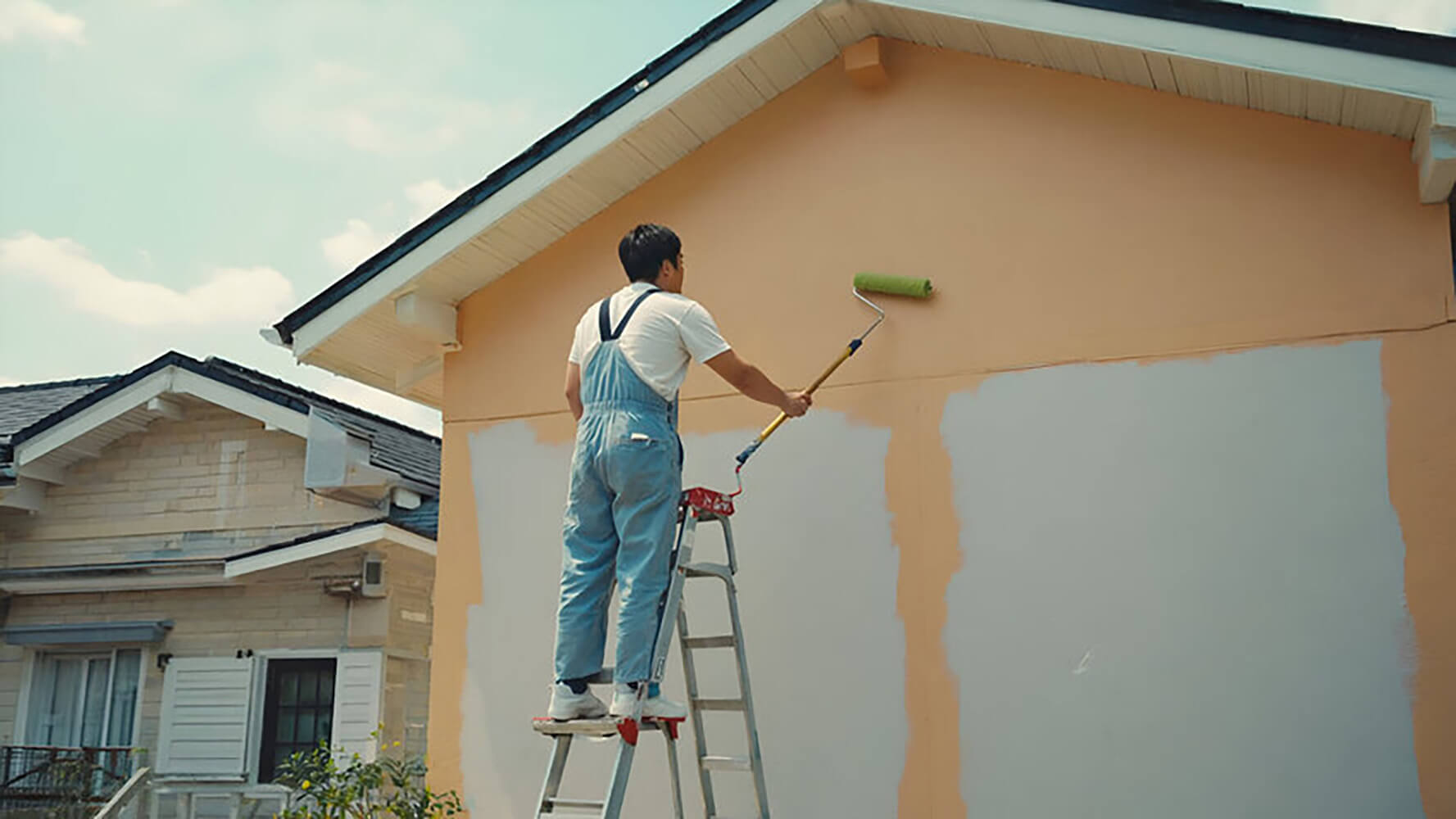
Exterior painting depends heavily on temperature, humidity, and weather conditions. Rain or unsuitable conditions can pause work and extend the schedule, especially when exterior paint problems like peeling or adhesion issues become a concern. Exterior projects also require additional setup, such as lifts or traffic control, which adds time.
When both interior and exterior work are included, timelines are often staggered to keep progress moving efficiently while minimizing disruption.
Business Hours and Access Restrictions
Access limitations can significantly affect how long commercial painting takes. In occupied buildings, crews often work in phases or outside normal business hours to avoid disrupting operations.
Restricted access, limited work windows, and safety considerations reduce daily productivity, even if the total scope is unchanged. Vacant buildings allow faster progress because crews can work continuously without interruption.
Establishing approved work hours, access rules, and sensitive areas upfront helps prevent delays and keeps the project timeline aligned with expectations.s the commercial painting project length aligned with expectations.
The typical phases of a commercial painting project and how time is spent
A commercial painting project follows a structured sequence, even though the total timeline can vary from one property to another. Understanding how time is allocated throughout the process helps explain why some projects move quickly while others require a longer schedule.
Much of the timeline is established before any paint is applied. Planning, coordination, and preparation often take more time than expected, but these steps are essential for keeping the project organized and minimizing disruption once work begins. When this phase is rushed, delays tend to appear later in the project.
As the work progresses, time is divided between preparing surfaces, applying coatings, and completing final details. Each stage depends on the previous one being done correctly. If surface preparation uncovers unexpected issues or access changes mid-project, the painting phase can slow down even if the scope itself hasn’t changed.
Rather than thinking of a commercial painting project as a single task, it helps to view it as a workflow with multiple moving parts. Time is spent coordinating access, protecting surrounding areas, completing repairs, and sequencing work so crews can move efficiently. When each phase is properly planned, the overall commercial painting duration becomes far more predictable.
Site evaluation and project planning phase
The site evaluation and planning phase establishes the project timeline based on real conditions. Walkthroughs allow painters to assess size, surfaces, access points, and operational constraints that affect scheduling.
Work hours, phasing needs, safety requirements, and sequencing decisions are addressed during this stage. For occupied properties, coordination with managers or tenants is often necessary.
Thorough planning reduces surprises once work begins and helps keep the commercial painting project length manageable.
Surface preparation phase
Surface preparation often takes more time than expected and has a major impact on the overall timeline. This phase ensures surfaces are clean, repaired, and ready for paint to perform properly.
In commercial environments, prep work is often more extensive due to wear, previous coatings, or long repaint cycles. Older or high-traffic spaces typically require more repairs, extending this phase.
Protecting floors, fixtures, and equipment also adds time upfront but prevents delays later. Proper preparation keeps the painting phase efficient and reduces the need for touch-ups after completion.
Painting and application phase
The painting phase is where most of the visible work happens, but it isn’t always the longest part of a commercial painting project. Progress depends heavily on how well surfaces were prepared and how accessible the space is.
Crews apply paint using rolling, spraying, or a combination of methods based on the layout and surface type. Open areas typically move faster, while detailed or segmented spaces take more time. Multiple coats are often required, and each coat needs adequate drying time before work continues.
In occupied buildings, access limitations can slow progress as crews work around business operations or move between zones. When access is unrestricted, painting moves more quickly and consistently.
This phase runs most efficiently when planning and preparation are done properly, helping keep the overall commercial painting duration on track.
Final walkthrough and touch-ups
The final walkthrough and touch-up phase brings the commercial painting project to completion and ensures the work meets expectations. This stage focuses on reviewing finished areas, addressing minor imperfections, and confirming that all agreed-upon scope has been completed.
During the walkthrough, painters and property representatives inspect surfaces under proper lighting to identify missed spots, uneven coverage, or areas that need adjustment. Touch-ups are usually minor, but they are an important part of delivering a clean, professional result.
This phase is typically shorter than painting and preparation, but its timing depends on project size and access. In occupied buildings, walkthroughs may be scheduled in stages as areas are completed. Larger properties may require multiple inspections to account for phased work.
Once touch-ups are finished and the site is cleaned, the project can be formally closed out. Allowing time for this final review helps avoid callbacks and ensures the commercial painting project ends smoothly and on schedule.
Common reasons commercial painting projects take longer than planned
Even with careful planning, some commercial painting projects take longer than expected. Delays usually come from factors outside the original scope rather than issues with the painting process itself.
The most common causes include:
- Weather-related delays for exterior projects, where rain, humidity, or temperature changes pause work for safety and proper paint performance
- Material or approval delays, such as special-order coatings, backordered products, or waiting on final color selections
- Access or scope changes, including areas becoming unavailable mid-project or new work being added
- Unforeseen surface issues discovered during preparation, such as hidden damage that must be repaired before painting can continue
While these situations can extend the schedule, addressing them correctly helps protect the quality and longevity of the finished work rather than rushing to meet an unrealistic timeline.
How to get an accurate timeline for your specific commercial property
The most reliable way to determine how long a commercial painting project will take is through an on-site evaluation. A walkthrough allows painters to assess real conditions rather than relying on assumptions or general estimates.
Property owners can help create a more accurate timeline by sharing key details in advance, including:
- Preferred work hours or blackout periods
- Access restrictions or sensitive areas
- Spaces that must remain operational during the project
- Any known surface issues or past repairs
Professional planning brings these details together to identify potential challenges early, sequence work efficiently, and set realistic expectations. This approach reduces surprises and minimizes last-minute schedule changes once the project is underway.
What to realistically expect before scheduling a commercial painting project
Commercial painting timelines are built around multiple moving parts, not just square footage or paint type. Size, property use, surface condition, access, and scheduling constraints all work together to determine how long the project will take.
Clear communication and flexibility are essential. Well-planned projects move more smoothly when expectations are aligned, access rules are defined, and potential challenges are discussed in advance.
Before scheduling, property owners should expect a range rather than a fixed completion date. Working with an experienced commercial painting contractor helps translate those variables into a clear plan, making it easier to schedule work confidently and minimize disruption.
If you’re planning a commercial painting project and need a clear, realistic timeline, the best next step is a professional evaluation of your space. Texas Star Painting specializes in commercial painting projects for property owners and managers. We will assess access, surface conditions, and operational needs so scheduling stays predictable and disruption is minimized. Scheduling a commercial painting consultation provides accurate timing expectations before work begins, allowing you to plan confidently and avoid last-minute surprises.