How to Schedule a Commercial Painting Project Without Disrupting Your Business

Scheduling a commercial painting project can feel overwhelming when you’re trying to keep your business running at the same time. Many owners worry about lost productivity, frustrated customers, safety concerns, or having work drag on longer than expected. Those concerns are valid, especially when painting is treated as an afterthought instead of something that needs proper planning.
Understanding how to schedule a commercial painting project matters because timing affects nearly every part of the job. When schedules aren’t thought through, painting can interfere with daily operations, create access issues, or force last-minute changes that increase stress and cost. On the other hand, a well-planned schedule helps work move efficiently while minimizing disruption to employees and customers.
This topic often comes up when business owners are deciding whether to paint during operating hours, after hours, or in phases. There’s also uncertainty around how much flexibility is realistic and what information a contractor actually needs to build a workable timeline. Without clear guidance, it’s easy to underestimate the impact scheduling has on the success of the project.
This blog explains how commercial painting scheduling works from a practical, business-focused perspective. It breaks down what goes into planning a timeline, what factors influence scheduling decisions, and how the right approach can keep your business functioning smoothly while the work is completed.
Identify the Best Time to Schedule a Commercial Painting Project Based on Your Business Hours
Choosing the right timing is one of the most important steps in scheduling commercial painting work. Your operating hours directly affect how much access painters have to the space and how disruptive the project may be.
Businesses with predictable hours often have more flexibility. Offices that close in the evenings or on weekends can schedule painting during off-hours to avoid interruptions. Retail spaces, restaurants, and medical facilities usually need tighter coordination to protect customers and staff.
The best time to paint is often during periods of low activity. This may include:
- Early mornings or evenings before peak business hours
- Overnight windows for 24-hour or high-traffic operations
- Weekends for businesses closed or slower during those days
Foot traffic matters as much as hours. Even if a business is open, painting during slow periods can reduce safety risks and allow crews to work more efficiently.
It’s also important to consider how long surfaces need to dry before normal use resumes. Scheduling painting when areas can remain unused for several hours prevents bottlenecks and rushed work.
Clear communication about your daily schedule helps contractors build a plan that respects your business rhythm while keeping the project moving forward.
Assess Which Areas of Your Building Can Be Painted in Phases
Phased painting is one of the most effective ways to keep a business operational during a commercial painting project. Instead of shutting down large sections at once, work is broken into manageable zones that can be completed sequentially.
Start by identifying which areas are essential to daily operations and which can be temporarily closed. Customer-facing spaces often need different scheduling considerations than employee-only areas such as offices, storage rooms, or break areas.
Phasing typically works best when:
- Public areas are painted during off-hours or slower periods
- Employee-only spaces are scheduled during normal hours with limited disruption
- High-traffic zones are completed last, once surrounding areas are finished
Clear boundaries between active work zones and operational spaces are critical. This helps maintain safety and prevents confusion for employees and customers.
Providing a basic layout of your building and explaining how each area is used allows contractors to design a phased plan that minimizes overlap and downtime. When done correctly, phasing keeps the project moving forward without forcing unnecessary closures.
Coordinate After-Hours, Overnight, or Weekend Painting Options
For many businesses, after-hours or weekend work is the key to keeping operations uninterrupted. These scheduling options allow painting to happen when employees and customers are not present, reducing safety concerns and workflow disruptions.
After-hours painting is often ideal for offices, banks, and professional spaces that close in the evening. Crews can work continuously without needing to stop or reset the space during the day. Overnight work is sometimes used for businesses that operate long hours or handle sensitive environments, such as healthcare or hospitality settings.
Weekend painting can be effective for:
- Retail locations with slower weekend traffic
- Offices closed on Saturdays and Sundays
- Multi-tenant properties coordinating with multiple occupants
While off-hours scheduling reduces disruption, it can affect timelines and logistics. Limited access windows may extend the overall project length, and security or ventilation needs must be addressed in advance.
Discussing these options early helps balance convenience with efficiency, ensuring the schedule supports both your business needs and the quality of the finished work.
Plan Around Employees, Customers, and Daily Operations
Employee movement and customer flow play a major role in how smoothly a commercial painting project runs. Even when painting is scheduled during business hours, daily activity levels can determine which areas are realistic to work in and which should be avoided.
High-traffic pathways, entrances, restrooms, and shared spaces often need special attention. Painting these areas without a plan can create safety issues or frustrate customers and staff. Adjusting layouts temporarily, redirecting foot traffic, or limiting access to certain zones can help keep operations functional.
Communication is just as important as logistics. Employees should know when and where work will be happening so they can plan around it. This reduces confusion, minimizes interruptions, and prevents accidental contact with wet paint or equipment.
For customer-facing businesses, maintaining a clean, professional appearance during the project matters. Careful scheduling helps avoid peak hours and ensures painted areas are ready for use when customers arrive.
When daily operations are considered early in commercial painting project planning, schedules become more realistic and disruptions are far easier to manage.
Understand How Project Scope Impacts Scheduling Flexibility
The overall scope of a commercial painting project has a direct effect on how flexible the schedule can be. Larger or more complex projects naturally require more coordination, which limits how much work can be condensed into short timeframes.
Surface condition is a major part of scope. Walls or ceilings that need repairs, patching, sanding, or priming add time before painting can even begin, which is why proper preparation plays such a critical role in keeping painting schedules on track.
Paint type and application method also influence timing. Some coatings require longer drying or curing periods, which can restrict how quickly spaces can be reopened. Specialized finishes or high-durability products may need additional coats or longer gaps between work stages.
Access limitations compound these factors. When crews can only work in certain areas or during narrow windows, tasks that would normally be completed in a day may stretch across several.
Understanding the full scope early allows schedules to be built around realistic timelines rather than optimistic assumptions, reducing last-minute changes and operational stress.
Confirm a Clear Project Timeline With Your Commercial Painting Contractor
A realistic schedule comes from clear coordination between you and your painting contractor. Before work begins, the timeline should outline when each area will be painted, how long preparation and drying will take, and what access is required at each stage.
A professional contractor builds timelines around real conditions, not generic estimates. This includes evaluating surface condition, accounting for business hours, and planning crew size based on scope. When these details are skipped, schedules tend to slip once work is underway.
It’s important to review the proposed timeline carefully and ask questions about anything that affects operations. Clarify which areas will be unavailable at specific times, when noise or odors may be noticeable, and how unexpected issues will be handled.
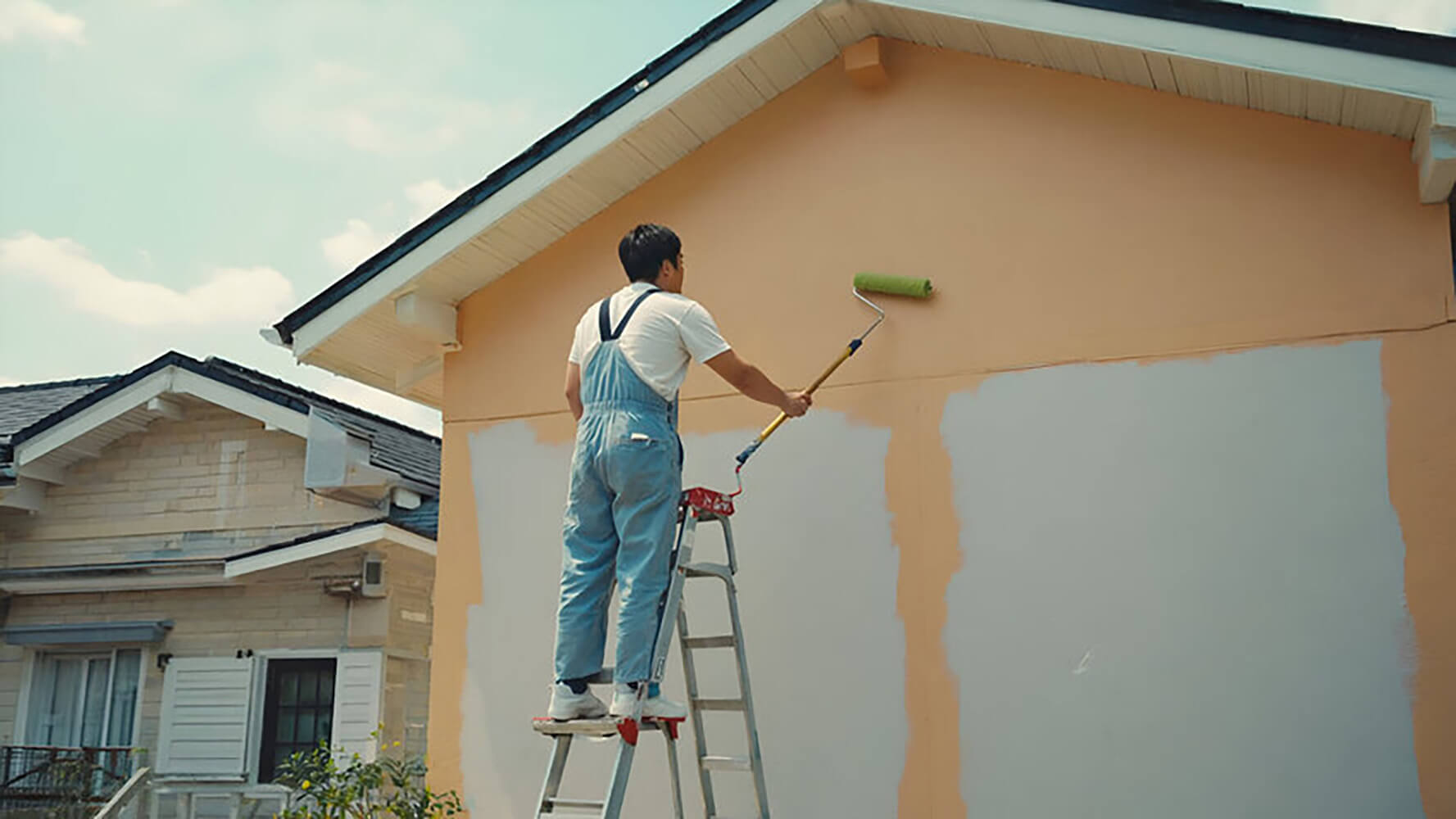
Contingency planning is another key element, especially for exterior projects where surface conditions and environmental factors can cause exterior paint problems if timelines aren’t properly managed.
Confirming expectations upfront helps keep the project predictable and ensures everyone is aligned before the first day of work begins.
How Proper Scheduling Helps Keep Your Business Running Smoothly During Painting
When a commercial painting project is scheduled correctly, it becomes far easier to maintain normal business operations while work is underway. Instead of reacting to disruptions, you’re able to plan around them, which reduces stress for employees and limits inconvenience for customers.
Thoughtful scheduling ensures the right areas are painted at the right times. High-traffic spaces stay accessible when they’re needed most, while less critical areas are addressed without interrupting daily workflows. This balance allows painting to progress steadily without forcing unnecessary shutdowns.
Clear timelines also improve communication. When everyone understands what’s happening and when, there’s less confusion, fewer last-minute adjustments, and a lower risk of safety issues. Employees can plan their routines, and customers experience minimal impact.
Perhaps most importantly, proper scheduling protects the quality of the work. Crews have adequate time for preparation, application, and drying, which helps prevent rushed jobs and uneven results. Painting becomes a controlled process rather than a disruption.
By treating scheduling as a core part of the project instead of an afterthought, businesses can complete commercial painting projects efficiently while keeping operations stable and professional throughout the process.
How Smart Scheduling Keeps Your Business Running During a Commercial Painting Project
Scheduling a commercial painting project successfully comes down to preparation, coordination, and realistic expectations. When timing is planned around business hours, daily operations, and project scope, painting doesn’t have to disrupt productivity or customer experience. Instead, it becomes a manageable process that fits into your normal workflow.
A well-structured schedule allows work to move forward without unnecessary downtime. Phased approaches, off-hours options, and clear access planning all help keep key areas functional while painting progresses. Just as important, realistic timelines reduce surprises by accounting for preparation work, drying time, and potential constraints before the project begins.
Clear communication plays a central role as well. When employees know what to expect and contractors understand how your space operates, scheduling decisions are easier to stick to. This alignment helps prevent rushed work, safety issues, and last-minute changes that can throw operations off track.
If you’re planning a commercial painting project and want a schedule that works around your business, a free quote is a smart place to start. Texas Star Painting can review your space, operating hours, and project scope to build a timeline that minimizes disruption and keeps work moving efficiently. Reach out to request a free commercial painting quote and get clear expectations before the project begins.