Interior vs Exterior Painting: Which Project Should You Prioritize First?
Deciding between interior vs exterior painting is a common challenge for homeowners who know their home needs attention but aren’t sure where to start. Both projects offer real benefits, but they solve different problems, affect your home in different ways, and often come with different timing and budget considerations. Choosing the wrong one first can lead to frustration, delays, or feeling like the investment didn’t deliver the impact you expected.
Many homeowners face this decision after noticing peeling paint outside, outdated colors inside, or simply wanting a refresh without committing to everything at once. Others are juggling practical concerns like weather, upcoming renovations, or plans to sell. Without a clear framework, it’s easy to go back and forth between options without making progress.
This topic matters because painting is more than cosmetic. It affects how your home feels, how well it’s protected, and how much value it holds over time. The goal isn’t to declare one project better than the other, but to help you understand which painting project makes the most sense to tackle first based on your situation.
This guide breaks down what interior and exterior painting each accomplish, then walks you through how to decide which one to prioritize. By the end, you should feel confident choosing a starting point that aligns with your home’s needs, your timeline, and your goals.
How Interior Painting Improves Daily Comfort, Style, and Livability
Interior painting directly affects how your home feels every day. It’s the project homeowners notice immediately because it changes the spaces they live in, relax in, and use most often.
Fresh interior paint can make rooms feel cleaner, brighter, and more intentional. Worn walls, scuffs, and outdated colors tend to quietly drag down how a space feels, even if everything else is in good shape.
Some of the most noticeable benefits of interior painting include:
- A cleaner, more finished look in high-traffic areas like living rooms and hallways
- Improved mood and comfort from updated, lighter, or more cohesive colors
- Better flow between rooms when colors are coordinated instead of mismatched
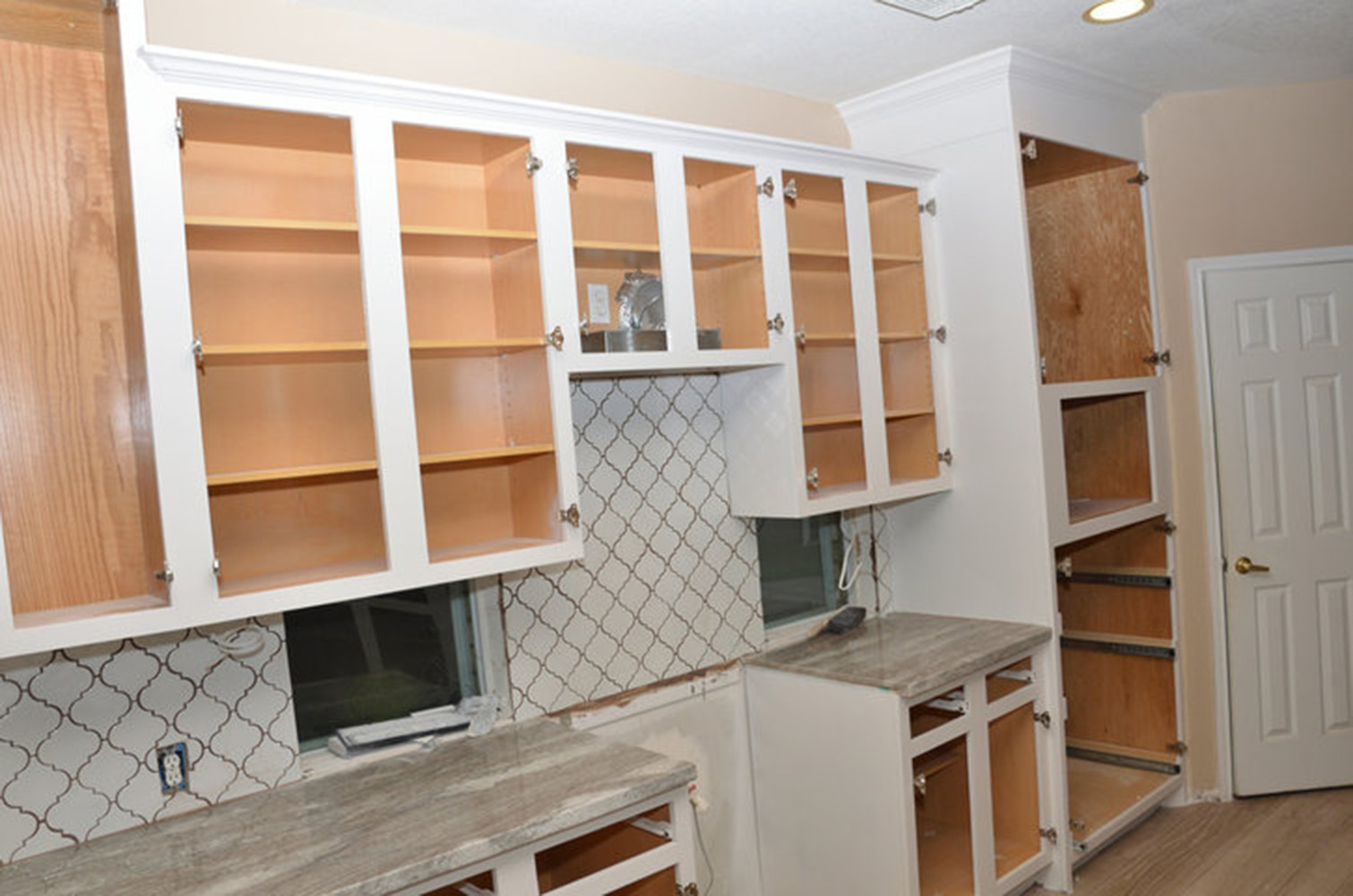
Interior projects are often prioritized because they improve daily livability right away. Bedrooms feel calmer, kitchens feel more inviting, and common areas feel refreshed without changing the layout or furnishings.
Interior painting is also easier to schedule around everyday life. Rooms can often be completed in stages, allowing homeowners to continue using the home Interior painting projects tend to go more smoothly when preparation is handled correctly from the start. Clearing furniture, protecting floors, and addressing minor wall repairs ahead of time helps the work move efficiently and reduces disruption once painting begins. Taking the right interior painting prep steps not only improves the final finish but also helps homeowners avoid delays and unnecessary touch-ups during the project.
This type of project is especially appealing when:
- You’re spending most of your time indoors and want an immediate upgrade
- The exterior is still in decent condition and not at risk of damage
- Your goal is comfort, aesthetics, and personal enjoyment rather than curb appeal
For homeowners focused on how their home feels day to day, interior painting often delivers the fastest and most noticeable improvement.
How Exterior Painting Protects Your Home and Improves Curb Appeal
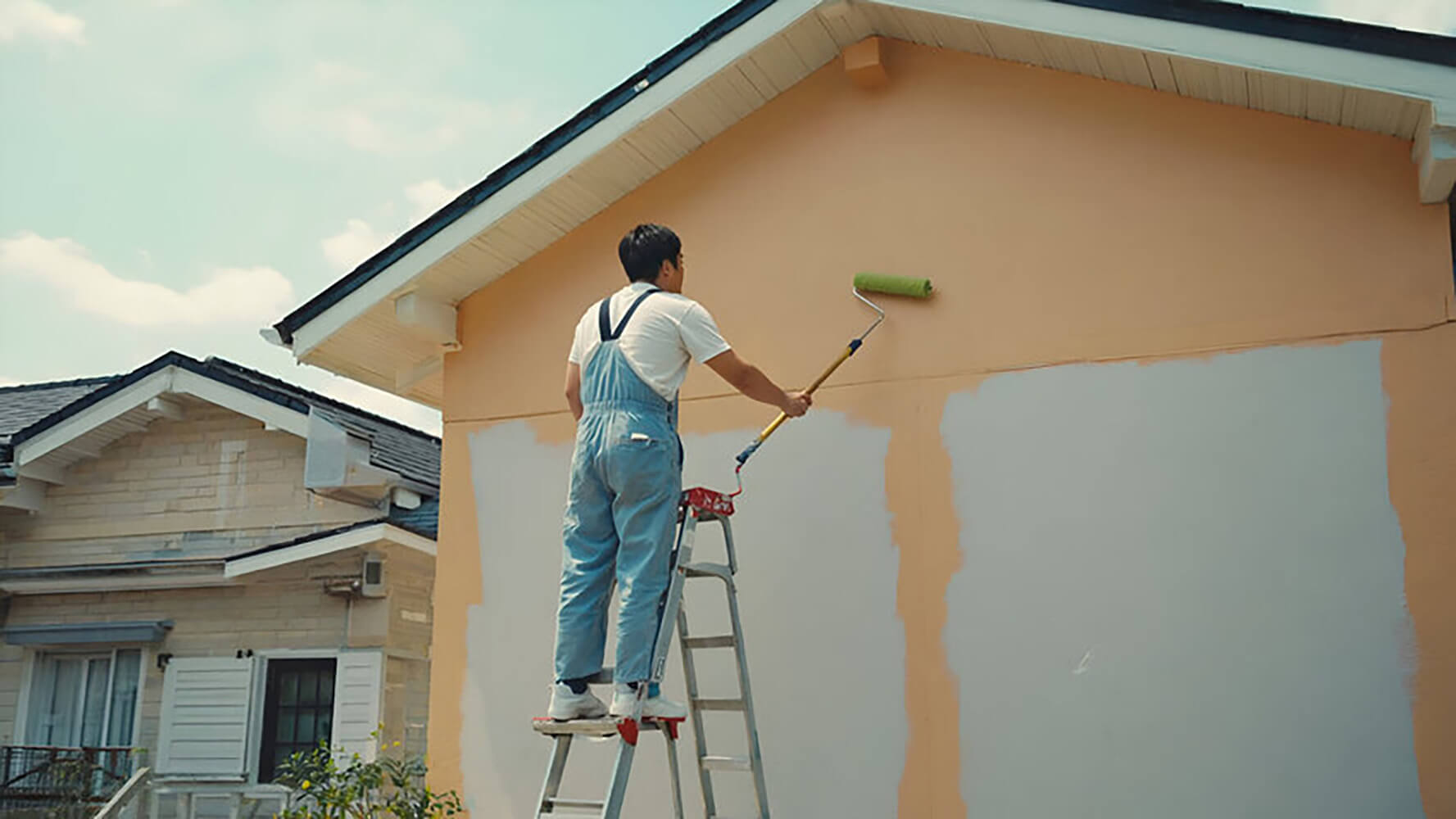
Exterior painting plays a very different role than interior work. While it certainly affects how your home looks, its most important job is protection. Exterior paint acts as a barrier between your home’s surfaces and the elements, helping shield siding, trim, and other materials from moisture, sun exposure, and temperature changes.
When exterior paint starts to fail, problems often develop quietly before they become obvious. Peeling, cracking, fading, or chalky residue can allow moisture to reach underlying surfaces, increasing the risk of wood rot and long-term damage. Many homeowners don’t realize these issues are forming until repairs become more involved, which is why understanding common exterior paint problems early can help prevent unnecessary costs and protect the home’s exterior more effectively.
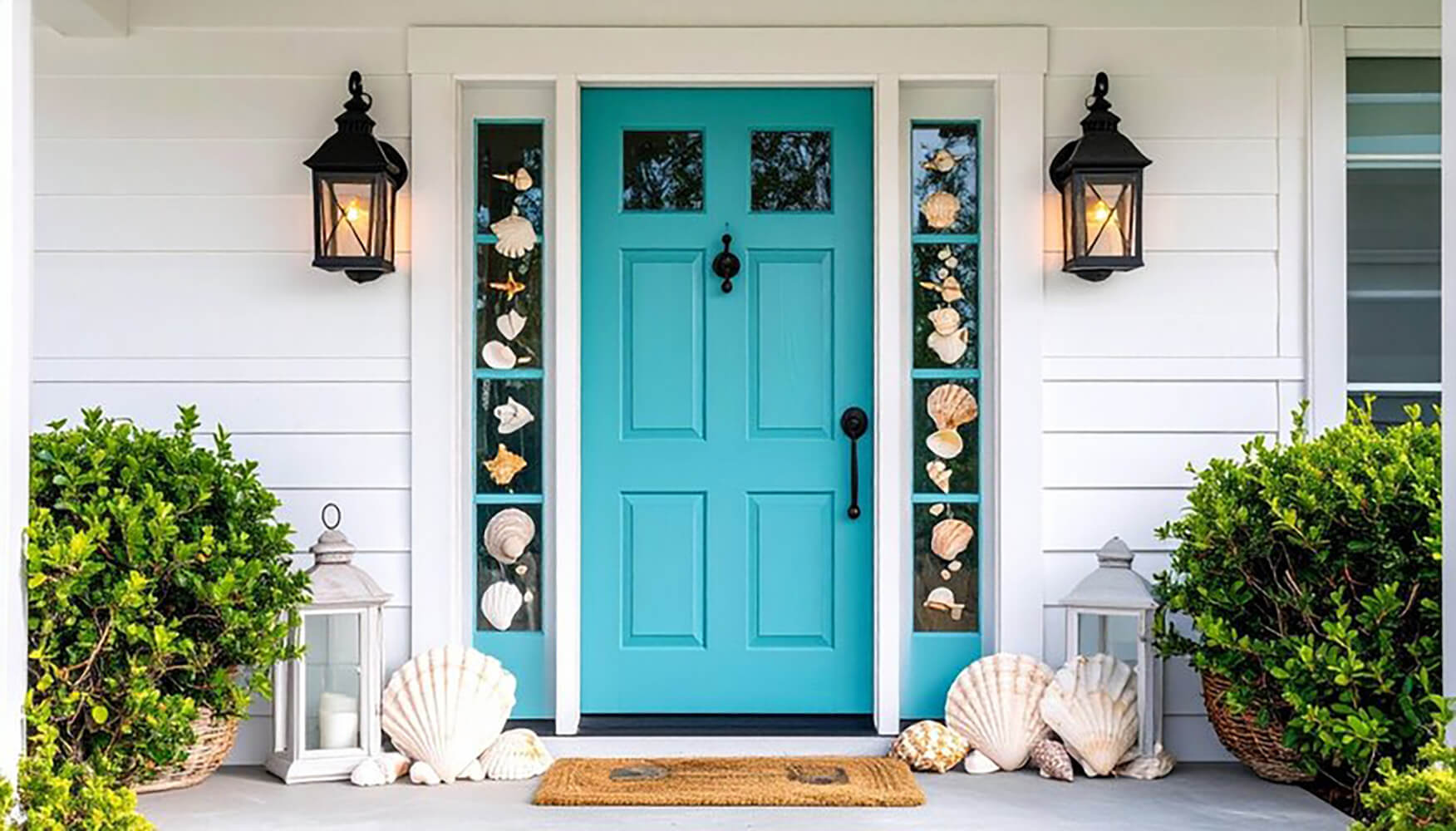
Curb appeal is the other major factor. The exterior is the first thing people see, whether that’s guests arriving, neighbors passing by, or potential buyers pulling up to the property. A freshly painted exterior can make a home feel well cared for and visually cohesive, even if no other upgrades are made.
Homeowners often prioritize exterior painting when the outside of the home is showing visible wear, even if the interior still looks acceptable. Faded colors, chalky residue, or exposed trim are signs that protection may be compromised, not just that the home looks dated.
For homes where exterior paint is deteriorating, delaying this project can increase long-term maintenance costs. In those cases, exterior painting becomes a preventative investment that helps protect both appearance and value.
How to Decide Whether Interior or Exterior Painting Should Come First
Once you understand what each type of painting actually does for your home, the next step is deciding which one makes sense to tackle first. There isn’t a one-size-fits-all answer. The right choice depends on a few practical factors that together point to the best starting point for your situation.
The goal here isn’t to overanalyze, but to look at your home honestly. Condition, budget, timing, and your plans for the property all play a role in determining whether interior or exterior painting should take priority.
Your Home’s Current Paint Condition
Paint condition is often the strongest deciding factor. If one area of your home is actively deteriorating, that usually deserves attention first.
Inside the home, worn paint often shows up as scuffs, stains, peeling near windows or bathrooms, or colors that feel dated and uneven. While these issues affect comfort and appearance, they rarely create immediate structural risk.
On the outside, failing paint is more serious. Peeling, cracking, fading, or bare spots can expose surfaces to moisture and sun damage. When exterior paint is no longer protecting the home, delaying the project can lead to repairs that go far beyond repainting.
Budget and Project Scope Considerations
Budget naturally influences which painting project to start with. Interior painting offers more flexibility because homeowners can complete it one room at a time and spread the cost over a longer period.
Exterior painting is typically a larger, more comprehensive project. It usually needs to be completed all at once to ensure even coverage and consistent protection. While the upfront cost may be higher, it can prevent more expensive repairs later.
With a limited budget, homeowners choose the project that addresses immediate needs instead of prioritizing appearance.
Timing, Weather, and Seasonal Factors
Timing can also tip the decision. Interior painting can be scheduled almost any time of year, making it easier to fit into busy schedules or colder months.
Exterior painting is more dependent on weather conditions. Temperature, humidity, and rain all affect how paint cures and performs. If you’re approaching a season with limited exterior painting windows, it may make sense to prioritize that work first and save interior updates for later.
Your Long-Term Plans for the Home
Your plans for the home matter just as much as its current condition. Homeowners planning to sell often prioritize exterior painting because curb appeal strongly influences first impressions and perceived value.
Those planning to stay long-term may lean toward interior painting first, focusing on comfort and personal enjoyment. Renovation plans can also influence timing, especially if walls or surfaces will be altered in the near future.
Looking at these factors together usually makes the decision clearer and helps homeowners feel confident about which painting project to start with.
When It Makes Sense to Combine Interior and Exterior Painting Projects
In some situations, prioritizing one project over the other isn’t necessary because tackling both interior and exterior painting together can be the most practical option. This approach often makes sense when the home needs widespread updates and the timing aligns.
Homeowners who recently purchased a house commonly choose to combine projects. Completing interior and exterior painting before fully settling in minimizes disruption and allows the entire home to feel cohesive from the start. It can also prevent the frustration of living through multiple, separate projects months apart.
Combining projects can also be efficient when both areas show similar levels of wear. If interior walls look outdated and exterior paint is fading or peeling, tackling both projects at once allows homeowners to reset the home visually and structurally rather than relying on temporary fixes.
From a scheduling standpoint, a combined project can simplify planning. Coordinating one timeline, one prep phase, and one crew often feels more streamlined than revisiting the process twice. This can be especially helpful for homeowners with limited availability or those trying to complete work before a specific deadline.
That said, combining projects isn’t always the right move. Homes with significant exterior damage may need outside work completed first, while homes with active interior renovations may benefit from waiting. The key is making sure both projects can be completed properly without rushing or compromising results.
When conditions, timing, and budget align, combining interior and exterior painting can be an efficient way to refresh and protect the entire home at once.
Choosing the Painting Project That Makes the Most Sense for Your Home Right Now
Deciding between interior vs exterior painting ultimately comes down to understanding what your home needs most at this moment. Interior painting tends to deliver immediate comfort and visual satisfaction, while exterior painting focuses on protection, longevity, and first impressions. Neither option is universally better, but each serves a different purpose.
If your interior spaces feel worn, outdated, or no longer reflect how you want to live in your home, starting inside can make a noticeable difference right away. On the other hand, if exterior paint is failing, peeling, or exposing surfaces to the elements, addressing that first can help prevent larger maintenance issues down the road.
Looking at paint condition, budget flexibility, timing, and long-term plans together usually clarifies which painting project to start with. Homeowners planning to sell often lean toward exterior updates, while those staying put may prioritize interior comfort. In some cases, combining both projects makes sense when timing and scope align.
If you’re weighing interior painting or exterior painting first and want a clear, honest recommendation, a professional walkthrough can make the decision much easier. Texas Star Painting can evaluate the condition of both your interior and exterior surfaces, explain what actually needs attention now, and help you prioritize based on protection, comfort, and long-term value — not guesswork.
If you’re weighing interior or exterior painting first and want a clear, honest recommendation, a professional walkthrough can make the decision much easier. Texas Star Painting can evaluate the condition of both your interior and exterior surfaces, explain what needs attention now, and help you prioritize the right project for your home. When you’re ready to move forward, get a free quote to receive clear pricing, realistic timelines, and expert guidance tailored to your space.